
Tempering Valve Replacement Sydney: The Winter Scald Risk Guide
By the team at Tradetek Solutions
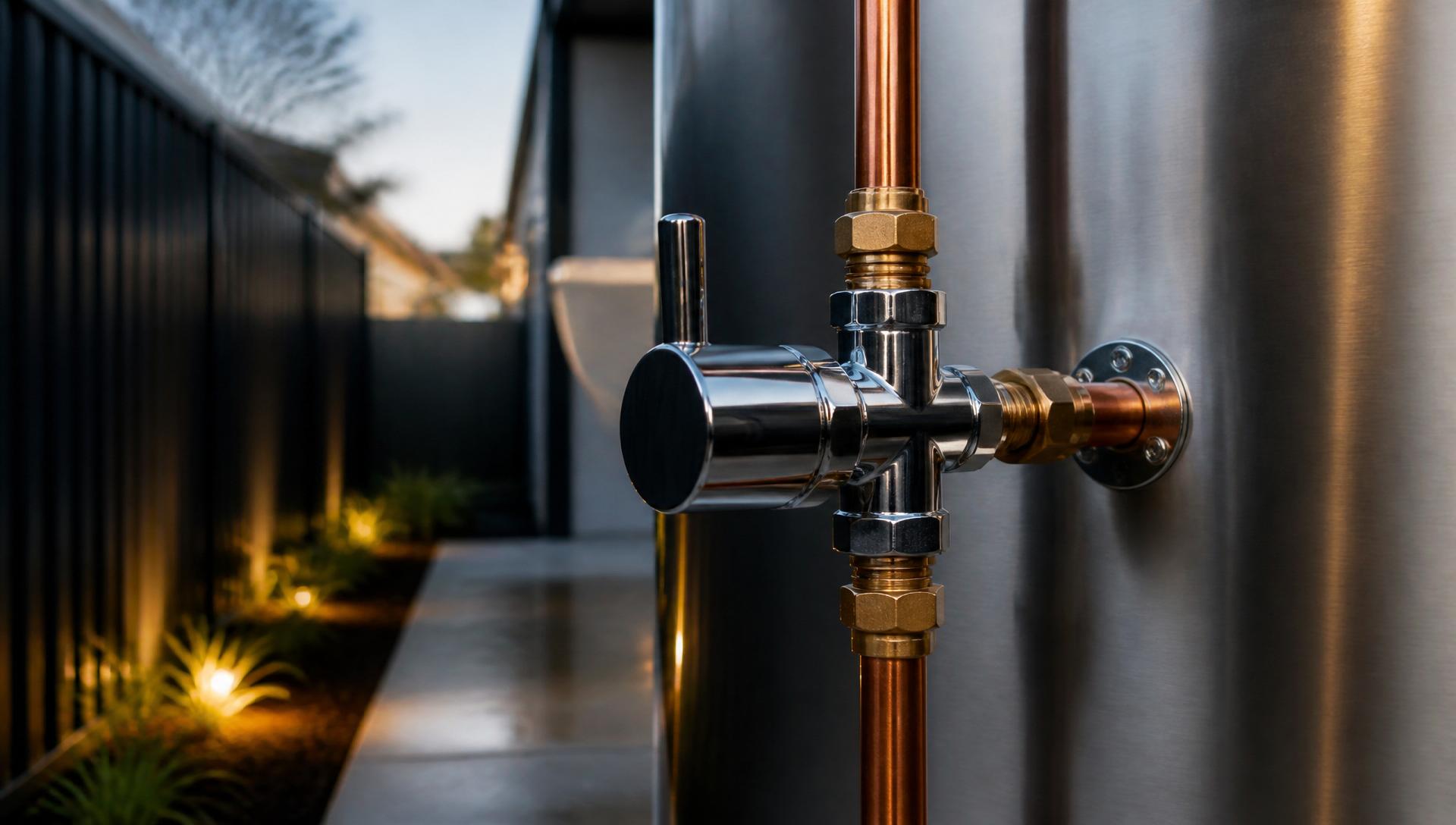
Every July we get the same phone call from Sydney parents. The bath is running, the kids are in the hallway, and the water coming out of the tap is suddenly hot enough to sting. In most of these calls the culprit is not the hot water system, the thermostat or the mixer tap. It is a small brass and chrome device sitting on the pipework beside the cylinder, called a tempering valve, and in most Sydney homes it is quietly past its use-by date.
A tempering valve is the reason water stored at 60 degrees in the cylinder arrives at your basin at a safe 50 degrees. When it fails, and it almost always fails during winter, the mix drifts hot and the scald risk at bath time climbs sharply. This guide covers what a Sydney tempering valve actually does, when the Plumbing Code of Australia says it must be replaced, what a 2026 job costs, and how to tell if yours is the one behind that unusually hot shower this week.
What a Tempering Valve Does in a Sydney Home
Sydney storage hot water systems, whether gas, electric or heat pump, keep water hot inside the tank at 60 degrees or above. That temperature is not for comfort. It is the number required to stop Legionella bacteria growing inside the cylinder. Nobody bathes at 60 degrees, though. Skin contact with 60 degree water causes a full thickness burn in about one second on an adult and much faster on a child.
A tempering valve sits between the tank and the house pipework and blends stored hot water with cold to deliver a controlled 50 degrees at every basin, shower and bath. The Plumbing Code of Australia, adopted in NSW through the plumbing regulations enforced by NSW Fair Trading, has required this on every new domestic install since 1998. If your house was built or had its hot water system replaced any time this century, you have one. Most Sydney homeowners have never noticed it.
Why the Failure Almost Always Shows Up in Winter
Sydney mains cold water drops from around 22 degrees in summer to as low as 12 degrees in mid-July. That is a huge swing for a mixing valve to compensate for. In summer the valve barely has to work. In winter the cartridge inside is constantly cycling wider open on the hot side to keep the mix at 50 degrees. That is when a tired cartridge finally gives up, and the mix drifts either uncomfortably cool or dangerously hot.
Three symptoms tell you the valve is the problem, not the hot water system itself:
- Sudden shift, not gradual. The shower was fine yesterday. Today it runs scalding or lukewarm regardless of the mixer position.
- Every outlet affected. Kitchen, ensuite and main bathroom all behave the same way. A single tap fault would be isolated.
- Cylinder is still hot to the touch. If the tank feels warm and the burner or element is cycling normally, the fault is downstream at the tempering valve.
The Five-Year Rule Most Sydney Homeowners Don't Know
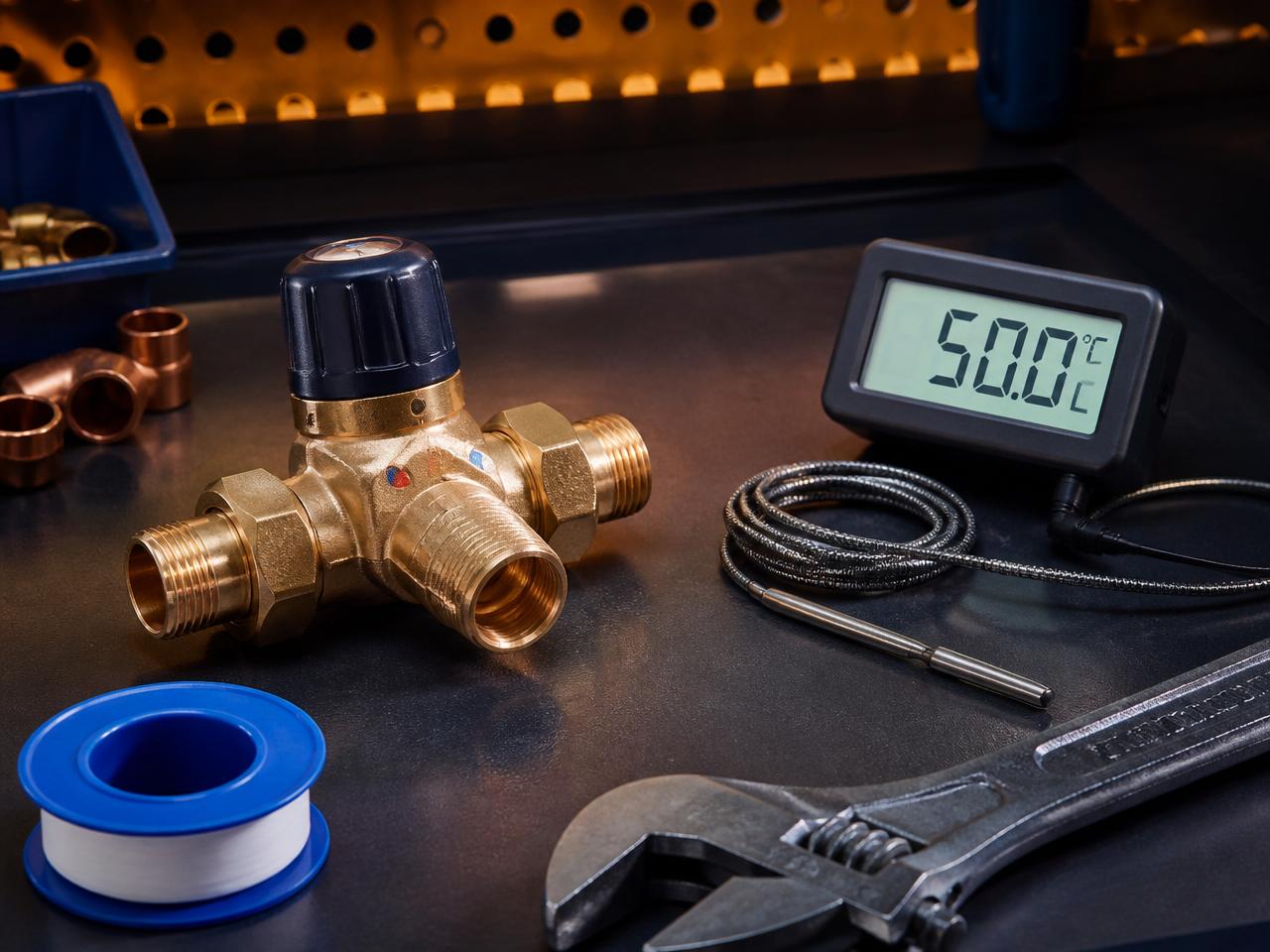
Manufacturers of AS 4032.2 tempering valves publish a nominated service life. In practice, across Reliance, Rheem, Rinnai, Enware and Caleffi valves used on Sydney installs, that number is five years. The valve does not fall off after year six. The internal thermostatic cartridge simply becomes unreliable, and both the hot drift and the cold drift risks climb.
For aged care, hospitals and childcare centres, AS/NZS 3500.4 and the Plumbing Code make annual servicing a legal requirement and a hard five-year replacement cycle standard. Domestic homes are not subject to the same annual audit, but the five-year replacement guidance applies to the hardware regardless of the building type. If nobody has touched your valve since the cylinder was installed, and the cylinder is older than five years, the valve is expired.
You can date the valve without a plumber. Every WaterMark tempering valve carries a manufacture date stamped or stickered on the body. Look at the pipework directly above or beside the hot water tank, find the small brass or chrome fitting with an adjustable cap, and read the date. Anything older than 2021 in 2026 is due.
Scald Risk: The Number Behind the 50 Degree Rule
The Plumbing Code of Australia settled on 50 degrees because it sits at the sweet spot between comfort and safety. At 60 degrees a young child suffers a full thickness burn in under one second. At 55 degrees it takes about ten seconds. At 50 degrees it takes closer to five minutes, which is enough time to react, pull away and turn off the tap.
The Royal Children's Hospital burns and scalds fact sheet lists tap water scalds as one of the most common preventable serious injuries in children under five. In Sydney, the winter months of June, July and August account for a disproportionate share of these presentations, and a failed tempering valve is usually the reason a well-set-up bathroom suddenly becomes unsafe.
What Tempering Valve Replacement Costs in Sydney in 2026
Pricing across Sydney metro has been steady through the first half of 2026. The numbers below are supplied and installed by a licensed plumber, with the compliance certificate included.
- Standard swap on an accessible external cylinder. 320 to 520 dollars, including the valve, new isolation, thermometer calibration and paperwork.
- Internal cupboard install with copper pipework in good condition. 380 to 620 dollars.
- Combined valve plus PTR (pressure temperature relief) valve replacement. 520 to 780 dollars, and worth doing at the same visit because both share a five to seven year service life.
- Awkward access, roof cavity or under-house install. Add a one-off site loading of 120 to 220 dollars.
- Seized fittings needing copper cut and re-solder. Add 90 to 180 dollars for materials and labour.
- Emergency after-hours callout (nights, weekends, public holidays). Add 140 to 260 dollars over the standard rate.
A properly quoted job also includes a written record of the new install date, which is what a landlord, strata manager or future buyer wants to see on the pre-sale plumbing inspection.
The AS 4032.2 Rules That Make a DIY Swap Illegal
Under NSW plumbing regulations, any work on a hot water delivery system, including replacing a tempering valve, is licensed plumbing work. It has to be carried out by a licensee registered with NSW Fair Trading and the work has to be certified on a Notice of Work and a Certificate of Compliance. Insurance policies rely on that paper trail after a scald claim.
The three technical rules that fail the most DIY jobs on Sydney insurance claims are:
- Correct hot and cold orientation. Reversed inlets cook the cartridge inside a week and void the WaterMark rating.
- Isolation valve on the cold inlet. Missing on many pre-2010 installs and required today for future serviceability.
- Post-install temperature test at the furthest fixture. A bench setting is not enough. The temperature must be verified at the tap the family actually uses.
A reputable Sydney plumber, such as a member of the Master Plumbers Association of NSW, will do all three as standard and issue the compliance paperwork the same day.
Signs Your Sydney Tempering Valve is On Its Last Legs
Beyond the sudden hot or cold shift, there are quieter signs that appear weeks before the valve completely fails. If any two of these are present this Sydney winter, book the swap now rather than after the next cold snap.
- Shower temperature swings when someone flushes a toilet or opens the kitchen tap. The valve is losing its ability to compensate for pressure changes.
- Longer wait for hot water at the bathroom tap in the morning. The mixing chamber is starting to bleed hot back into the cold side overnight.
- Visible green corrosion around the brass body of the valve. Copper carbonate deposits, common on Sydney North Shore town water, weaken the housing.
- Weeping from the valve union nuts. Internal seals are failing.
- A metallic taste at the hot tap that was not there last summer. Cartridge material is breaking down inside the flow path.
Bundling the Job With the Rest of a Winter Hot Water Check
A tempering valve service call is one of the smart moments to bundle other winter hot water work. The system is already isolated, the licensed plumber is already on site, and the labour minimum is already covered.
- Pressure temperature relief (PTR) valve. Same five to seven year service life. Details on our hot water installation and repair page.
- Sacrificial anode inspection. A ten minute check that adds years to the tank. Covered in the winter hot water system checklist for Sydney homes.
- Gas heater and flue safety check. Winter carbon monoxide risk goes up when the gas heater cycles harder. See the gas heater safety checklist for Sydney homes.
- Heat pump quote at the same visit. If the existing electric or gas cylinder is nearing end of life, ask for a comparison. Read the heat pump hot water Sydney 2026 rebates guide.
- Hidden leak scan on the hot water pipework. Old copper fed by high pressure often develops pinholes that a tempering valve service can uncover. See how to find hidden water leaks.
- Leaking shower diverter check. The number one call after tempering valve failures. Covered in leaking shower repair Sydney.
- Emergency plumbing readiness. Confirm where the mains stop tap is, in case a valve blows during the coldest week. See our emergency plumbing service.
What Landlords, Stratas and Buyers Need to Know
For rental homes, a scald injury caused by an expired tempering valve is a foreseeable risk under NSW residential tenancies law. Landlords and property managers are increasingly asking for a dated compliance certificate at each new lease. For stratas, the executive committee usually carries responsibility for common hot water systems, and the five-year replacement cycle should be on the maintenance plan.
For buyers, the tempering valve is one of the cheapest pre-purchase checks that has real safety weight. Ask the vendor for the last plumbing compliance certificate, walk to the hot water system, and read the date on the valve. If it predates 2021 and no paperwork exists, budget for a replacement in the first month after settlement.
Frequently Asked Questions
Book the Swap Before the Next Sydney Cold Snap
July and August are the months when Sydney tempering valve failures peak. The safest homes this winter are the ones that replace the valve before the family notices a problem, not the ones that call after a child gets a fright at bath time. Booked ahead, the job is a same-week visit and a modest invoice. Booked as an after-hours emergency, the same job costs more and lands during the coldest week of the year.
For a written quote across your Sydney home, contact the Tradetek Solutions team. The visit covers a full check of the hot water system, a dated compliance certificate for the new valve, and a temperature test at every fixture in the house.