
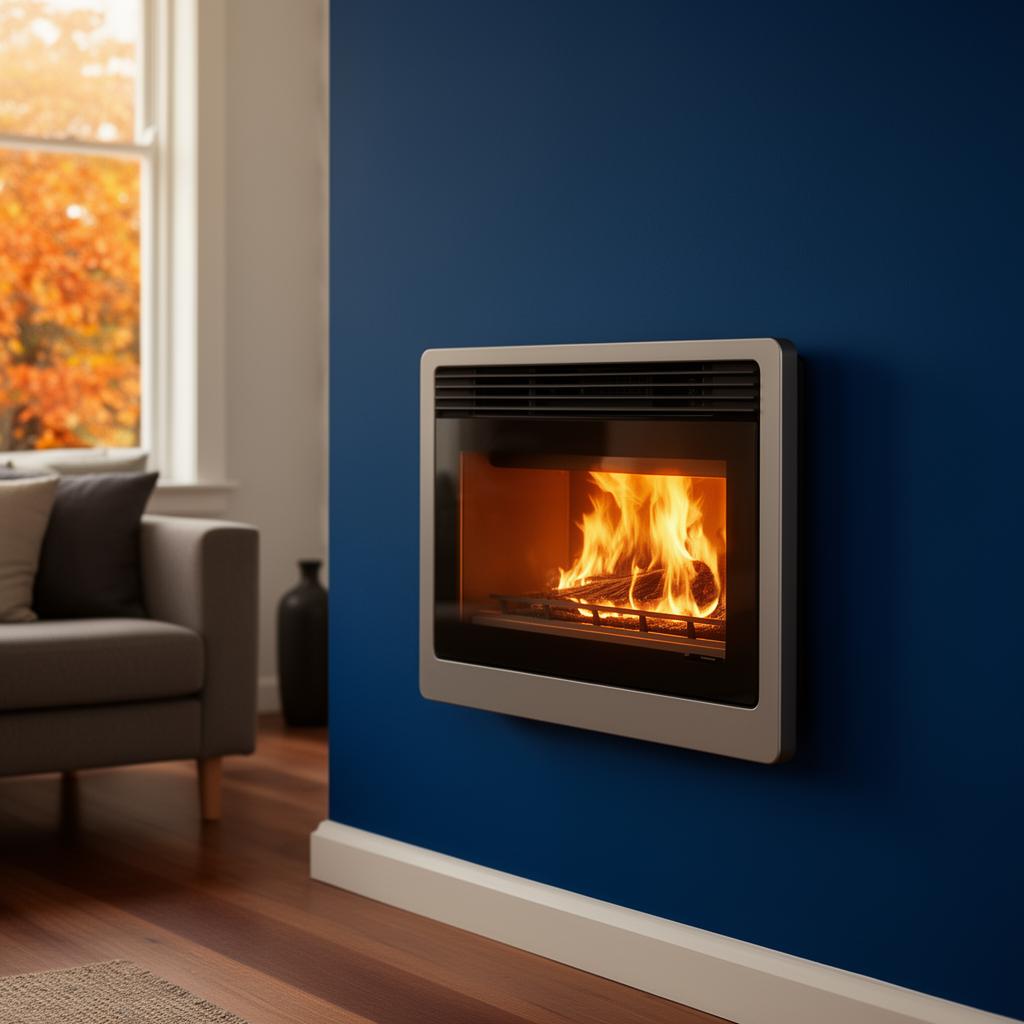
Gas Heater Safety Checklist for Sydney Homes
By the team at Tradetek Solutions
Updated June 2026
Refreshed for the 2026 Sydney winter with current servicing costs, updated NSW Fair Trading guidance and links to our newer guides on heat pump hot water and rebates, NSW smoke alarm laws and winter ventilation.
Right now, thousands of gas heaters across Sydney are sitting in cupboards, wall cavities, and living rooms. They have not been touched since last winter. Some have been there for 15 or 20 years. And in a few weeks, when the first cold snap hits the Northern Beaches, the Inner West, and the Upper North Shore, families will flick them on without a second thought.
That is when the problems start. Dust-clogged burners. Corroded gas connections. Cracked heat exchangers. Blocked flues pushing carbon monoxide back into the room instead of outside where it belongs. Fire and Rescue NSW responds to hundreds of carbon monoxide incidents every winter, and faulty gas heaters are one of the leading causes.
April is your window. The heater is off, a licensed gas fitter can get to you quickly, and you have time to fix anything that comes up before you actually need the warmth. This checklist walks you through every step, from the visual checks you can do yourself to the professional servicing that NSW law requires.
Why Gas Heater Safety Deserves Your Attention
Gas heaters are one of the most common heating systems in Sydney homes. They are efficient, affordable to run, and warm a room quickly. But unlike a reverse-cycle air conditioner, a gas heater is burning fuel inside your home. When everything is working correctly, that combustion process is clean and safe.
When something goes wrong, the consequences range from higher gas bills to life-threatening carbon monoxide exposure. Here is what a neglected gas heater can lead to:
- Carbon monoxide poisoning — CO is colourless and odourless. You cannot see it, smell it, or taste it. Symptoms include headaches, nausea, dizziness, and confusion. The NSW Department of Health warns that prolonged exposure can cause permanent brain damage or death.
- House fires — Dust buildup on burners, degraded seals, and worn wiring are fire risks. Gas heater fires peak in June and July across NSW.
- Gas leaks — Corroded fittings, loose connections, and perished rubber hoses can allow natural gas to escape into your home. Even small leaks create explosion risks.
- Higher energy costs — A heater burning inefficiently uses more gas to produce the same warmth. Dirty burners, blocked airways, and faulty thermostats all drive up your gas bill without improving comfort.
- Voided home insurance — If a fire or gas incident is traced back to a heater that was not professionally serviced, your insurer may reduce or deny your claim.
The bottom line: a gas heater that worked fine last May could be dangerous by this May. Components degrade, seals perish, and dust accumulates during the months the unit sits idle. That is why an annual pre-winter check matters.
Types of Gas Heaters in Sydney Homes
Before running through the safety checklist, it helps to know what type of gas heater you have. Each type has specific risks and maintenance requirements.
Flued Gas Heaters
These are permanently installed and vent combustion gases outside through a flue (chimney or duct). They are the safest type of gas heater because exhaust gases, including carbon monoxide, are directed outdoors. Most modern wall furnaces and central heating systems are flued. The key maintenance concern is ensuring the flue remains clear and undamaged.
Unflued (Vent-Free) Gas Heaters
Unflued heaters release all combustion products directly into the room. They are common in older Sydney homes, particularly across the Inner West and Eastern Suburbs. NSW regulations require adequate room ventilation when using unflued heaters, and they must not be used in bedrooms or bathrooms. These units demand the most careful attention because every gram of exhaust goes straight into your living space.
Portable LPG Gas Heaters
These run on bottled LPG and are popular as supplementary heating. They must never be used in enclosed spaces without ventilation. The gas bottle connections are a common failure point, with rubber hoses degrading over time. If you rely on a portable unit, check the hose and regulator before each winter season.
Gas Log Fires and Decorative Heaters
Often installed in existing fireplaces, gas log fires can be flued or unflued. They look great, but the decorative elements can mask warning signs such as soot buildup or discolouration. A licensed gas fitter should inspect these annually, paying particular attention to the gas valve and thermocouple.
8 Warning Signs Your Gas Heater Needs Immediate Attention
Do not wait for winter to discover a problem. If you notice any of the following signs, turn off the heater and call a professional straight away.
1. Yellow or Orange Flames
A healthy gas heater flame burns steady blue with a small yellow tip. A predominantly yellow, orange, or flickering flame means incomplete combustion. The gas is not burning cleanly, and the heater is likely producing elevated carbon monoxide levels.
2. Soot or Black Marks
Soot deposits around the heater, on walls, or on ceiling surfaces near the unit indicate combustion problems. Soot is unburnt carbon, and its presence means the heater is not functioning correctly. This applies to both flued and unflued models.
3. Strange Smells When Operating
Natural gas is odourless, but energy companies add mercaptan (a rotten-egg scent) so you can detect leaks. If you smell gas when the heater is on or off, you may have a leak in the supply line, the connection fitting, or the appliance itself. Open windows, leave the house, and call your gas provider or a gas fitting specialist immediately.
4. The Pilot Light Keeps Going Out
A pilot light that will not stay lit usually points to a faulty thermocouple, a dirty pilot assembly, or a draft issue. While it might seem like a minor annoyance, repeated pilot failures can allow unburnt gas to accumulate before the next ignition attempt.
5. Physical Symptoms While the Heater Runs
Headaches, nausea, drowsiness, or dizziness that appear when the heater is running and ease when you step outside are classic signs of carbon monoxide exposure. Take this seriously. Open all doors and windows, turn off the heater, and seek medical attention if symptoms persist.
6. Excessive Condensation on Windows
All gas heaters produce water vapour as a byproduct of combustion. But excessive condensation on windows and walls suggests the heater is either burning inefficiently or the room ventilation is inadequate. Both scenarios increase CO risk.
7. The Heater Takes Too Long to Warm the Room
If a heater that used to warm your lounge room in 15 minutes now takes 40 minutes, its output has dropped. Dirty burners, blocked airways, a failing gas valve, or a degraded heat exchanger are common culprits. Higher gas bills with less heat is a clear sign the unit needs professional attention.
8. Your Heater Is Over 15 Years Old
Gas heaters have a typical lifespan of 15 to 20 years. Beyond that, components become brittle, seals deteriorate, and replacement parts may no longer be available. If your heater is approaching or past this age, book an inspection to determine whether repair or replacement is the better path.
Your Pre-Winter Gas Heater Safety Checklist
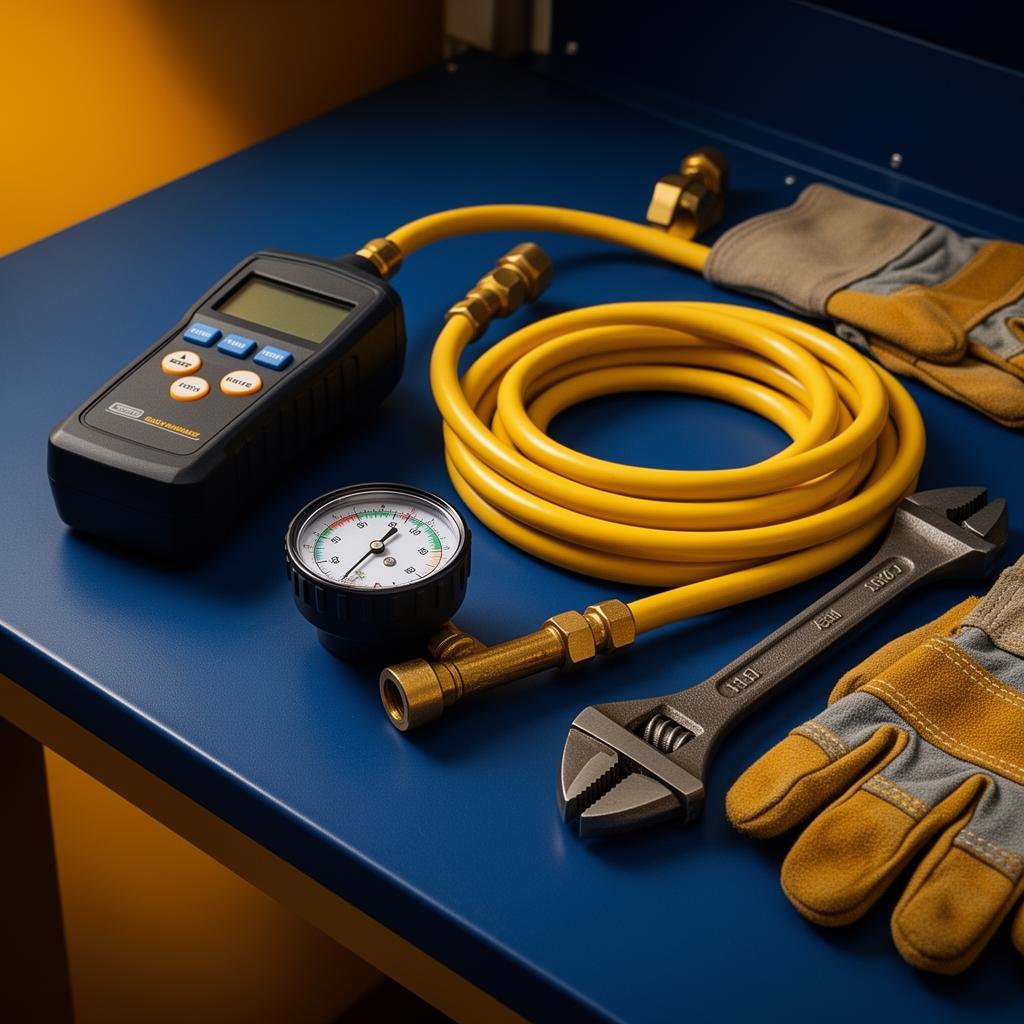
Use this checklist in April or early May, before you need to switch the heater on for the season. Some steps are things you can do yourself. Others require a licensed professional.
What You Can Do (Homeowner Checks)
- Visual inspection of all visible connections — Look at the gas hose (if applicable), wall connection point, and any exposed pipework. Check for cracks, discolouration, or corrosion.
- Clean external surfaces — Wipe down the heater exterior, grilles, and air intakes. Remove dust and cobwebs from vents. Use a vacuum with a brush attachment on intake grilles.
- Check the flame colour — Turn on the heater briefly and observe. Blue flame with a small yellow tip is normal. Predominantly yellow or orange is not.
- Clear the area around the heater — Remove furniture, curtains, clothing, and any combustible materials within one metre of the unit. Keep children's toys and blankets away.
- Test your smoke alarms — Press the test button on every smoke alarm in the house. Replace batteries if they are more than 12 months old. Under NSW regulations, working smoke alarms are a legal requirement.
- Check room ventilation — For unflued heaters, ensure permanent ventilation openings are not blocked. These are typically vents in exterior walls or windows that must remain open while the heater operates.
What a Licensed Gas Fitter Must Do
- Gas pressure test — A professional will test the gas supply pressure to ensure it falls within the manufacturer's specifications. Too high or too low affects combustion quality.
- Burner strip and clean — Burners accumulate dust, lint, and debris during the off-season. A thorough clean restores proper flame pattern and combustion efficiency.
- Heat exchanger inspection — The heat exchanger is the component that transfers heat from the combustion chamber to the air in your room. Cracks or corrosion in the heat exchanger can leak carbon monoxide directly into your living space.
- Flue integrity check — For flued heaters, the tradesperson will inspect the entire flue run from the heater to the roof or wall exit. They check for disconnections, corrosion, bird nests, and collapsed sections.
- Thermocouple and ignition testing — The thermocouple is a safety device that shuts off gas flow if the pilot light goes out. It must be tested and replaced if faulty.
- Gas leak detection — Using a combustible gas detector, the technician will check every joint, valve, and connection for leaks. Even micro-leaks that you cannot smell can be detected with professional equipment.
- Compliance certificate — After servicing, your gas fitter should provide a compliance certificate confirming the appliance meets current NSW Fair Trading requirements.
Carbon Monoxide: The Silent Danger in Sydney Homes
Carbon monoxide deserves its own section because it is responsible for more gas-related hospitalisations than any other cause. CO is produced whenever gas burns incompletely. In a well-maintained, properly ventilated heater, CO levels are negligible. In a faulty or poorly ventilated unit, they can reach lethal concentrations within hours.
Here is what makes CO so dangerous:
- It has no colour, no smell, and no taste.
- It binds to haemoglobin in your blood 200 times more effectively than oxygen.
- Symptoms mimic the flu: headaches, fatigue, nausea, confusion.
- Exposure during sleep is particularly dangerous because you may not wake up.
Fire and Rescue NSW recommends every home with a gas appliance install a carbon monoxide alarm. CO alarms are inexpensive (under $50) and can be placed near gas heaters and in hallways outside bedrooms. Unlike smoke alarms, CO detectors are not yet mandatory in NSW, but they save lives.
If your CO alarm sounds, or if you suspect carbon monoxide exposure, get everyone outside immediately. Do not re-enter the home. Call 000, then call a licensed gas fitter to inspect the appliance before using it again.
NSW Gas Safety Regulations You Need to Know
Gas work in NSW is tightly regulated for good reason. Understanding the rules protects you legally and physically.
Only Licensed Gas Fitters Can Work on Gas Appliances
Under the NSW Home Building Act, all gas fitting work must be carried out by a licensed gas fitter or a plumber with a gas endorsement. This includes installation, repair, disconnection, and servicing. DIY gas work is illegal and carries penalties of up to $22,000 for individuals.
Compliance Certificates Are Required
After any gas work, the tradesperson must issue a compliance certificate and notify the relevant gas distributor within the required timeframe. This paperwork confirms the work meets Australian Standard AS/NZS 5601 (Gas Installations). Keep your certificates filed. You will need them for insurance claims, rental compliance, and property sales.
Rental Property Rules
If you are a landlord in NSW, you have a legal obligation to maintain gas appliances in safe working condition. While NSW does not yet mandate annual gas safety checks for rentals (as Victoria does), Fair Trading NSW recommends regular servicing, and tenants can request maintenance if they suspect a safety issue.
The Australian Gas Association (AGA) Mark
When purchasing or replacing a gas heater, check for the AGA certification mark. This confirms the appliance has been tested and approved for use in Australia. Non-certified appliances may not meet local safety standards and could void your insurance.
When to Repair vs Replace Your Gas Heater
Not every issue requires a new heater. But there are clear lines between a straightforward repair and a unit that has reached the end of its life.
Repair Makes Sense When:
- The heater is under 10 years old and well-maintained
- The issue is a worn thermocouple, dirty burner, or simple ignition fault
- Replacement parts are readily available
- The heat exchanger is intact with no cracks or corrosion
Replacement Is the Better Option When:
- The heater is over 15 years old
- The heat exchanger is cracked or corroded
- Repair costs exceed 50% of a new unit's price
- The model has been recalled or is no longer certified
- You are switching from unflued to flued for better safety
A new flued gas heater typically costs between $1,500 and $3,500 installed. Given that modern units are more energy-efficient and safer, replacing an old unflued heater with a new flued model is one of the smartest pre-winter investments a Sydney homeowner can make. Talk to our team about gas heater installation options.
Connecting Gas Safety to Whole-of-Home Protection
Gas heater safety does not exist in isolation. A truly safe home needs coordinated systems working together. Here is how gas safety connects to the broader picture:
- Electrical safety — Many gas heaters have electrical components (fans, igniters, thermostats). A full electrical safety inspection ensures these components and your home's wiring are in safe condition.
- Safety switches — Your safety switch protects against electrical faults that could interact with gas appliance wiring. Make sure it is tested quarterly.
- Switchboard condition — Older switchboards may not support the electrical load of modern gas central heating systems. If your switchboard is outdated, read our guide on signs you need a switchboard upgrade.
- Hot water systems — If your home has a gas hot water system, the same servicing principles apply. Have both your heater and hot water unit checked in the same visit to save time and money.
- Emergency preparedness — Know where your gas meter and isolation valve are located. In an emergency, you need to be able to shut off gas supply quickly. The same applies to your water main, which is why knowing your plumbing system matters.
Frequently Asked Questions
Book Your Pre-Winter Gas Heater Service
Do not wait for the first cold night. Our licensed gas fitters service all makes and models across Sydney, the Central Coast, and Newcastle. Call now to secure your April or May booking.