
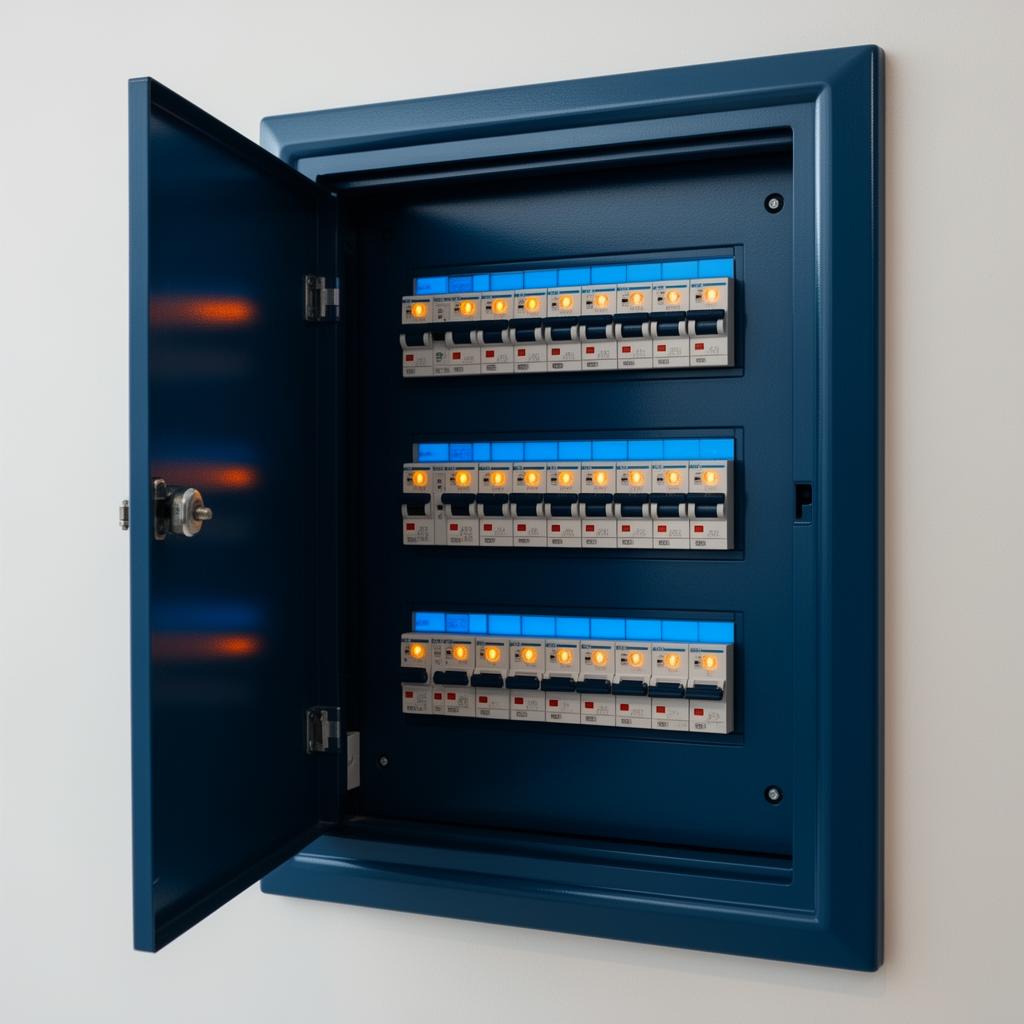
Every year, electrical faults cause more than 40% of all house fires in Australia, according to Fire & Rescue NSW. Many of these fires originate from preventable issues — deteriorated wiring, overloaded circuits, missing safety switches, and outdated switchboards that haven't been inspected in decades.
As autumn settles across Sydney and temperatures begin to drop, households reach for heaters, electric blankets, and heated towel rails — dramatically increasing the load on electrical systems that may not have been checked since the house was built. A professional electrical safety inspection is the single most effective step you can take to protect your family, your property, and your peace of mind before winter demand peaks.
This guide covers everything you need to know about home electrical safety inspections in Australia: what's included, when you need one, how to prepare, what the Australian Standards require, and the real-world consequences of neglecting your home's electrical health.
Updated June 2026
Refreshed for the 2026 NSW interconnected smoke alarm rules and current Sydney inspection pricing ($220-$550). Related reads: NSW Rental Electrical Safety 2026, Sydney Smoke Alarm Laws 2026, 8 Signs You Need a Switchboard Upgrade.
What Is a Home Electrical Safety Inspection?
A home electrical safety inspection is a systematic assessment of your property's entire electrical system, performed by a licensed electrician. Unlike a quick visual check, a formal inspection involves specialised testing equipment and evaluates every component against the AS/NZS 3000 Wiring Rules — the governing standard for all electrical installations in Australia and New Zealand.
The inspection is designed to identify:
- Safety hazards — exposed wiring, damaged insulation, absence of RCD protection
- Code violations — installations that don't meet current Australian Standards
- Deterioration — ageing components that may fail under increased load
- Overloaded circuits — circuits carrying more current than they're rated for
- Earthing deficiencies — faulty or missing earth connections that prevent safe fault clearance
At the end of the inspection, you receive a detailed report documenting the condition of your electrical system, any defects found, and recommended corrective actions. If everything passes, the electrician may issue a certificate of compliance.
What Does the Inspection Cover?
A thorough electrical safety inspection examines every accessible part of your home's electrical system. Here's what a licensed electrician will assess:
Switchboard Assessment
The switchboard is the nerve centre of your home's electrical system. The electrician will check:
- Condition and rating of all circuit breakers
- Presence and functionality of RCD safety switches on every circuit (required under current standards)
- Bus bar condition, tightness of connections, and signs of heat damage
- Correct labelling of all circuits
- Adequate capacity for the home's current electrical demands
- Whether the switchboard uses outdated ceramic fuses (a common sign you need a switchboard upgrade)
Safety Switch (RCD) Testing
Residual Current Devices — commonly called safety switches — are your primary defence against electrocution. The electrician will use a calibrated RCD tester to measure the device's trip time and trip current. Under NSW electrical safety regulations, RCDs must trip within 300 milliseconds (0.3 seconds) at the rated residual current. Any RCD that exceeds this threshold must be replaced immediately.
Power Points, Switches & Fixed Wiring
Every power point, light switch, and junction box in the home is visually inspected and tested. The electrician checks for:
- Cracked or discoloured faceplates indicating heat damage
- Loose connections that can cause arcing and fire
- Correct polarity and earth continuity at every outlet
- Insulation resistance of fixed wiring throughout the property
Smoke Alarms
Smoke alarms are tested for proper operation, correct placement, and compliance with current NSW smoke alarm legislation. Since January 2024, all NSW homes must have interconnected smoke alarms on every level. The electrician will verify your alarms meet this requirement and recommend upgrades if they don't.
Outdoor & Wet Area Electrics
Bathrooms, laundries, outdoor entertainment areas, pool pumps, and garden lighting all have stricter electrical requirements due to moisture exposure. The inspection verifies that all fittings in these zones are rated for wet environments, protected by dedicated RCDs, and installed at correct distances from water sources as specified in AS/NZS 3000.
Earthing System
A properly functioning earth system is critical for safely diverting fault current. The electrician will test the main earth connection, measure earth resistance, and verify that all metallic fixtures (pipes, frames, appliances) are bonded correctly. Poor earthing is one of the most dangerous — and most commonly found — defects in older Australian homes.
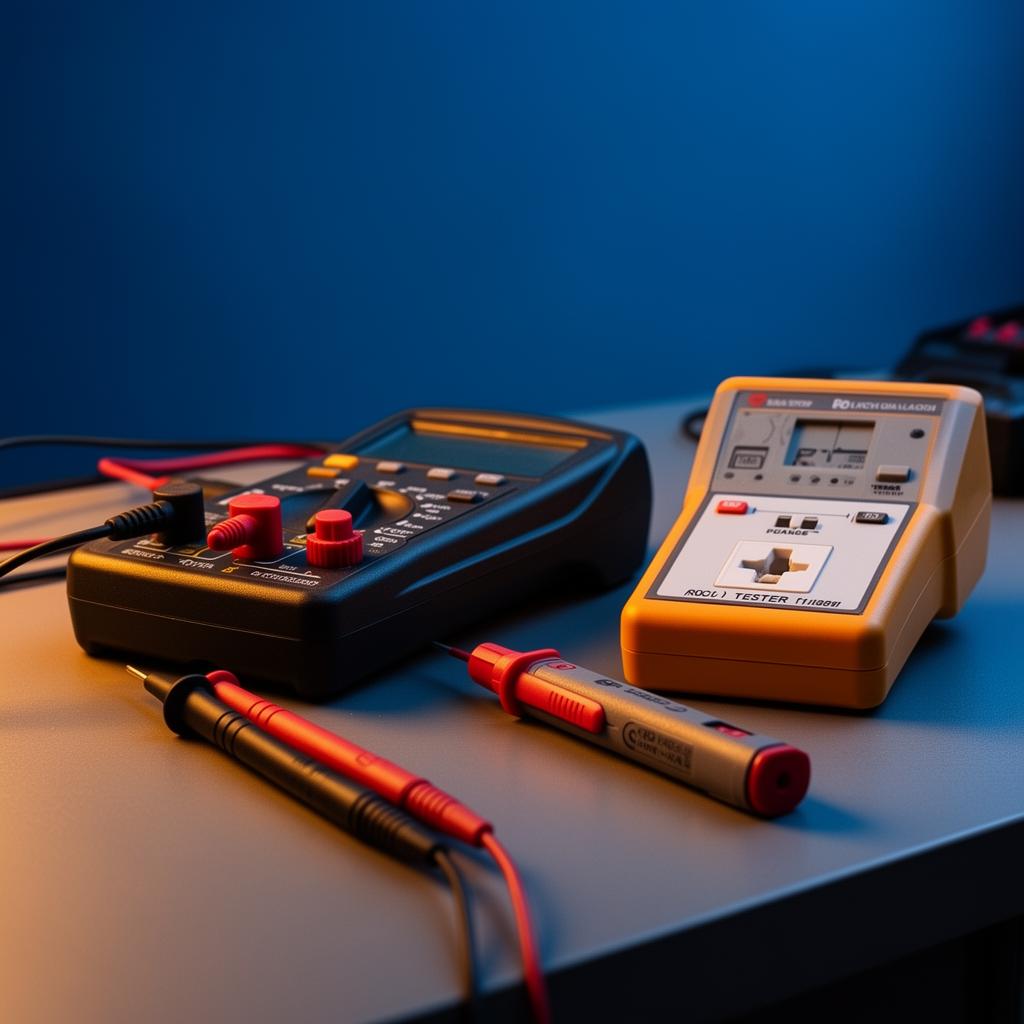
Professional testing equipment used during a home electrical safety inspection.
When Do You Need an Electrical Safety Inspection?
There are several scenarios where a home electrical safety inspection isn't just recommended — it's essential:
Before Buying a Property
A pre-purchase electrical inspection is one of the smartest investments a home buyer can make. It reveals hidden defects that a standard building inspection won't catch: outdated wiring concealed behind walls, absent safety switches, inadequate earthing, and DIY electrical work that violates Australian Standards. The cost of an inspection ($200–$500) is negligible compared to the $5,000–$20,000 it can cost to rewire a home after purchase.
Before Selling a Property
An electrical safety report gives buyers confidence and can prevent last-minute renegotiations. Addressing any issues before listing demonstrates transparency and professionalism, and can even accelerate the settlement process.
For Rental Properties
NSW landlords have a legal duty of care to ensure their rental property's electrical system is safe. While NSW doesn't yet mandate periodic electrical inspections for rentals (unlike Victoria and Queensland), a landlord can be held liable if a tenant is injured by a known or foreseeable electrical defect. Regular inspections protect both tenants and landlords.
After a Major Storm or Flood
Water ingress into switchboards, power points, or wiring can create dangerous conditions that aren't visible on the surface. After any significant weather event — particularly the intense autumn and winter storms common across Sydney and the Central Coast — an electrical inspection should be a top priority. If your home has also sustained storm damage to the roof, water may have penetrated ceiling cavities and reached electrical wiring.
If Your Home Is Older Than 25 Years
Wiring insulation degrades over time. Homes built before 2000 may contain TPS wiring with PVC insulation that becomes brittle and cracks after 25–30 years of thermal cycling. Homes built before 1980 may contain rubber-insulated wiring or even aluminium wiring — both of which carry significantly elevated fire risks.
Before Adding High-Load Appliances
Installing an electric vehicle charger, ducted air conditioning, heat pump hot water system, or induction cooktop places substantial new demands on your electrical system. An inspection confirms your switchboard, wiring, and earthing can safely support the additional load without overheating.
Common Defects Found During Inspections
Over years of conducting electrical inspections across Sydney and the Central Coast, our electricians encounter the same critical defects repeatedly. Awareness of these issues helps homeowners understand why inspections matter:
1. Missing or Non-Functional RCDs
The single most common and most dangerous defect. Many older homes have no safety switches at all, or only have them protecting a single circuit. Current standards require RCD protection on all final sub-circuits — including lighting. An RCD can be the difference between a harmless trip and a fatal electrocution.
2. Deteriorated Wiring Insulation
Wiring insulation breaks down due to heat, age, rodent damage, and UV exposure (for external runs). Deteriorated insulation exposes live conductors, creating a direct fire and shock hazard. This defect is usually hidden inside walls and can only be detected through insulation resistance testing.
3. Overloaded Circuits
Older homes were wired for a fraction of the electrical load modern households demand. A house built in the 1970s might have a total supply capacity of 40 amps — barely enough for today's air conditioners, lighting systems, entertainment setups, and kitchen appliances. Overloaded circuits generate excess heat in cables, accelerating insulation breakdown and increasing fire risk.
4. Inadequate Earthing
The earth connection provides a safe path for fault current to flow to ground, allowing circuit breakers to trip quickly. If the earth connection is corroded, disconnected, or has high resistance, fault current can energise metal fixtures — taps, pipes, appliance bodies — creating an electrocution hazard. This is especially critical in homes with gas fittings where metallic bonding is required.
5. Unauthorised DIY Electrical Work
It is illegal for unlicensed individuals to perform electrical work in Australia, yet inspectors regularly find DIY wiring — particularly in garages, sheds, and renovated areas. Common issues include incorrect cable sizing, missing protective devices, junction boxes without covers, and cables run through walls without proper protection. All unlicensed work must be rectified by a licensed electrician.
6. Non-Compliant Smoke Alarms
Smoke alarms older than 10 years must be replaced, regardless of whether they still beep when tested. Many homes have ionisation-type alarms in kitchens (prone to false alarms from cooking) or lack interconnection between levels, both of which fail to meet current NSW requirements.
How to Prepare for Your Inspection
You can help your electrician complete the inspection efficiently — and potentially reduce costs — by preparing in advance:
- Clear the switchboard area. Remove any boxes, shelves, or items blocking access. The electrician needs to open the panel fully and may need to work there for 30–60 minutes.
- Test your RCDs beforehand. Press the test button on each safety switch monthly. If any fail to trip, note which one — this tells the electrician where to focus first.
- Make a list of concerns. Flickering lights, intermittent power points, circuits that trip when specific appliances run, or any burning smells near outlets — write these down. Specific observations accelerate diagnosis.
- Ensure all areas are accessible. Unlock garages, sheds, roof hatches, and meter boxes. If power points are hidden behind furniture, move what you can to allow visual inspection.
- Gather any existing documentation. Previous electrical inspection reports, renovation permits, or certificates of compliance help the electrician understand the property's electrical history.
Why Autumn Is the Best Time for an Inspection
Timing matters when it comes to electrical safety. Autumn — specifically March through May in Australia — is the optimal window for a home electrical inspection, for several practical reasons:
- Pre-winter load preparation. Winter is the peak period for household electrical demand. Heaters, electric blankets, heated towel rails, ceiling fan heating modes, and earlier sunsets mean lights run longer. An autumn inspection ensures your system can handle this increased load safely.
- Storm season readiness. The Bureau of Meteorology data shows Sydney's heaviest rainfall typically occurs between March and June. An inspection can identify vulnerabilities — such as weatherproofing gaps in outdoor circuits or moisture ingress paths near the gutters and downpipes — before storms expose them.
- Availability and scheduling. Electricians are typically less booked during autumn than during the summer air-conditioning rush or pre-Christmas renovation spike. You're more likely to secure your preferred appointment time.
- Insurance compliance. Many home insurance policies require that electrical systems be maintained to a "reasonable standard." An up-to-date inspection report demonstrates compliance and can support claims if damage does occur. The Insurance Council of Australia recommends regular electrical maintenance as part of responsible home ownership.
Australian Standards & Legal Requirements
Understanding the regulatory framework helps homeowners appreciate what an inspection covers and why certain defects are flagged:
- AS/NZS 3000:2018 (Wiring Rules): The primary standard governing all electrical installations in Australia and New Zealand. It covers everything from cable sizing and circuit protection to switchboard design and earthing requirements. All new and modified installations must comply.
- AS/NZS 3760 (In-Service Safety Inspection and Testing): Covers the inspection and testing of electrical equipment, including portable appliance testing (PAT testing) relevant to landlords and commercial properties.
- AS 3786 (Smoke Alarms): Specifies requirements for smoke alarm types, placement, and interconnection. NSW legislation references this standard for residential compliance.
- Electricity (Consumer Safety) Act 2004 (NSW): Requires all electrical work to be performed by licensed electricians and mandates that all electrical installations be safe. Breaches can result in fines up to $55,000 for individuals.
Only a licensed electrician registered with NSW Fair Trading can perform a formal electrical safety inspection and issue compliance documentation. Always verify your electrician's licence number before engaging them.
The Cost of Neglecting Electrical Safety
The consequences of skipping regular electrical inspections extend far beyond inconvenience:
- House fires: Electrical faults are the number one cause of house fires in NSW. The average cost of fire damage to an Australian home exceeds $100,000, not including the irreplaceable loss of personal belongings and the emotional toll on families.
- Electrocution: Australia records approximately 15–20 deaths from electrocution each year. Many of these occur in domestic settings due to absent safety switches, faulty earthing, or degraded wiring.
- Insurance voidance: If a fire or injury is traced to a known or foreseeable electrical defect that wasn't addressed, insurers may reduce or deny your claim. This is particularly relevant for landlords.
- Property value impact: An outdated or non-compliant electrical system can reduce your property's value by $10,000–$30,000 and deter buyers entirely. A current inspection report, conversely, adds value and buyer confidence.
- Legal liability: For landlords and property managers, failure to maintain safe electrical systems can result in prosecution under the Electricity (Consumer Safety) Act, with penalties up to $55,000.
What You Can Check Yourself (and What You Can't)
While a formal inspection must be performed by a licensed professional, there are basic visual checks every homeowner can — and should — perform regularly:
Safe DIY Checks
- Test each RCD safety switch monthly using the test button
- Visually inspect power points and switches for discolouration, cracks, or scorch marks
- Check that all smoke alarms respond when tested
- Inspect visible wiring for damage, rodent gnawing, or deterioration
- Note any circuits that trip repeatedly or lights that flicker
- Ensure no double adaptors are permanently used (use power boards with overload protection instead)
Must Be Done by a Licensed Electrician
- Insulation resistance testing of wiring
- Earth loop impedance testing
- RCD trip-time calibration testing
- Switchboard internal inspection and thermal imaging
- Any repair, replacement, or modification of electrical components
- Issuing compliance certificates or electrical safety reports
Protect Your Home Before Winter — Book an Inspection Today
An electrical safety inspection is a small investment that delivers outsized protection. It safeguards your family from fire and electrocution, ensures your home meets Australian Standards, supports your insurance position, and preserves your property's value. With autumn's cooler temperatures signalling the approach of winter's peak electrical demand, now is the ideal time to act.
At Tradetek Solutions, our licensed electricians conduct thorough electrical safety inspections across Sydney, the Central Coast, and surrounding areas. Every inspection follows AS/NZS 3000 and includes a detailed written report with clear, prioritised recommendations. We also provide upfront pricing with no hidden fees — so you know the cost before we start.
Book Your Electrical Safety Inspection
Don't wait for a fault to become a fire. Call our licensed electricians today for a comprehensive home electrical safety inspection.