
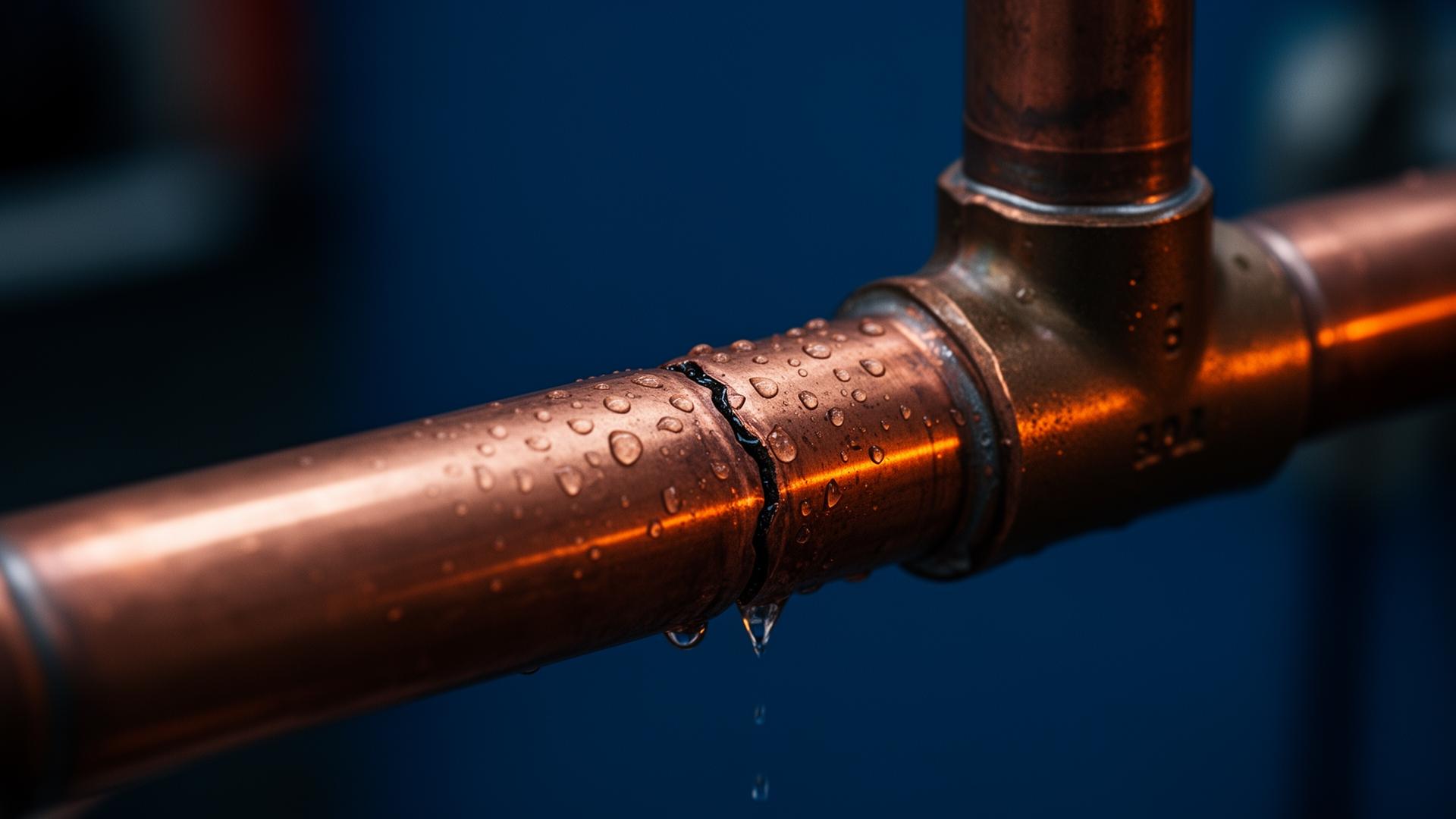
How to Find Hidden Water Leaks at Home (Sydney 2026 Guide)
By the team at Tradetek Solutions
A dripping tap is hard to ignore — but what about the leaks you can't see? Hidden water leaks behind walls, beneath concrete slabs, and inside ceiling cavities are among the most destructive and expensive problems Australian homeowners face. According to the Insurance Council of Australia, water damage claims have risen by over 20% in the past five years, with hidden leaks being one of the leading causes.
As autumn 2026 arrives and Sydney transitions from summer storms to cooler, wetter weather, now is the critical time to check your plumbing system. Summer heat causes pipes to expand and contract, while storm season can shift foundations and overload drainage systems. The result? Hairline cracks and weakened joints that begin leaking silently once the ground settles.
This guide covers the seven warning signs of a hidden leak, DIY detection methods you can try today, and the professional technologies that licensed plumbers use to pinpoint leaks without tearing your home apart.
Updated June 2026
Refreshed with 2026 Sydney leak detection costs ($330-$550), the Sydney Water Hidden Leak Allowance refund process, and current thermal/acoustic detection methods. Related reads: Sydney Water Bill & Hidden Leak Allowance, Burst Pipe Emergency Sydney, Leaking Shower Repair Sydney.
Why Hidden Water Leaks Are More Dangerous Than You Think
Unlike a visible burst pipe that demands immediate attention, hidden leaks operate in silence. They can persist for weeks, months, or even years before the damage becomes visible. By that point, the cost of repairs has multiplied dramatically.
Here's what a hidden leak can cause if left undetected:
- Structural damage — Prolonged moisture weakens timber framing, corrodes steel reinforcements, and deteriorates plasterboard. In severe cases, load-bearing walls and floor joists can become compromised.
- Mould and mildew growth — The NSW Government's Health Department warns that mould can begin growing within 24 to 48 hours of moisture exposure. Black mould (Stachybotrys) releases mycotoxins linked to respiratory illness, particularly in children and the elderly.
- Skyrocketing water bills — A leak as small as one drop per second wastes approximately 12,000 litres per year. Larger concealed pipe failures can waste hundreds of litres daily, adding hundreds of dollars to your quarterly bill.
- Electrical hazards — Water infiltrating wall cavities can reach electrical wiring, power points, and switchboards, creating short-circuit risks and potential fire hazards. This is why electrical fault finding is often needed alongside leak repairs.
- Pest infestations — Termites, cockroaches, and silverfish are attracted to damp environments. A persistent hidden leak creates the perfect breeding ground inside your walls.
- Reduced property value — Visible water stains, musty odours, and documented water damage can significantly reduce your home's market value and complicate sales.
7 Warning Signs of a Hidden Water Leak
Most hidden leaks reveal themselves through subtle clues long before catastrophic damage occurs. Here are the seven signs every homeowner should watch for:
1. Unexplained Increase in Your Water Bill
If your water usage habits haven't changed but your bill has spiked by 20% or more, a concealed leak is the most likely culprit. Sydney Water provides quarterly usage comparisons — check yours against previous periods for unusual variations.
2. Damp or Discoloured Patches on Walls and Ceilings
Yellowish-brown stains spreading across your ceiling or bubbling paint on interior walls are telltale signs of moisture trapped behind the surface. These patches often appear far from the actual leak source, as water travels along joists and framing before settling.
3. Musty or Mouldy Odours
A persistent damp smell — particularly in bathrooms, laundries, or rooms adjacent to wet areas — indicates hidden moisture. If you can smell it but can't see it, the leak is likely inside a wall cavity or beneath the floor.
4. Sound of Running Water When Everything Is Off
Stand in a quiet room and listen carefully. If you can hear a faint hissing, dripping, or rushing sound when no taps or appliances are running, water is moving through your pipes when it shouldn't be.
5. Warm Spots on the Floor
If you notice an unexplained warm area on a tiled or concrete floor, it could indicate a hot water pipe leak beneath the slab. This is especially common in homes with copper hot water piping systems that are more than 15 years old.
6. Cracks in Walls or Foundations
While hairline cracks can result from natural settling, new or widening cracks — particularly around door frames, windows, or along the base of walls — may signal that water is eroding your home's foundation. This is a serious issue that requires prompt professional leak detection.
7. Low Water Pressure
A sudden or gradual drop in water pressure throughout your home suggests that water is escaping the system before it reaches your taps. If only one fixture is affected, the issue is likely localised; if the whole house is affected, a main supply line leak is possible.

DIY Leak Detection: The Water Meter Test
Before calling a plumber, you can perform a simple test to confirm whether your home has a hidden leak. This method is recommended by Water Corporation Australia and takes about two hours.
- Turn off all water — Close every tap in your home. Ensure the dishwasher, washing machine, and irrigation system are not running. Turn off your hot water system if possible.
- Locate your water meter — In most Sydney properties, the meter is in a small box near the front boundary. Lift the cover and clean the dial face if dirty.
- Record the reading — Write down the exact number on the meter display, including all decimal places or the position of the red dial indicator.
- Wait 1–2 hours — Do not use any water whatsoever during this period. Avoid flushing toilets, running taps, or using any appliances that consume water.
- Check the meter again — If the reading has changed, water is being consumed somewhere in your system. You have a leak.
If the meter hasn't moved, your plumbing is likely intact. However, some very slow leaks may not register over a two-hour period. If you're still noticing warning signs, professional equipment can detect leaks that this test will miss.
Professional Leak Detection Technologies
Licensed plumbers use specialised equipment that can locate leaks with pinpoint accuracy — without the need for destructive excavation or wall removal. Here are the most common professional methods:
Acoustic Leak Detection
Highly sensitive ground microphones and acoustic sensors amplify the sound of water escaping from pressurised pipes. Even leaks buried deep beneath concrete slabs produce distinct acoustic signatures that trained plumbers can identify. This is the most commonly used professional method in Australian residential settings.
Thermal Imaging
Infrared thermal cameras detect temperature anomalies behind walls and under floors. A hidden hot water leak creates a warm patch that's invisible to the naked eye but clearly visible on a thermal image. Cold water leaks show as cooler zones against the ambient wall temperature.
Pressure Testing
Your plumber isolates sections of your plumbing system and applies controlled pressure. If pressure drops in a particular section, the leak is confirmed within that zone. This method is especially useful for identifying leaks in underground supply lines and within concealed pipe networks.
Moisture Meters and Endoscopes
Electronic moisture meters measure dampness levels within walls and ceilings without penetrating the surface. When a suspected area is identified, a small endoscope camera can be inserted through a tiny drilled hole to visually confirm the leak's location and severity.
CCTV Drain Inspection
For suspected leaks in drainage and sewer lines, CCTV drain cameras are fed through the pipe network to visually inspect for cracks, root intrusion, displaced joints, and corrosion. This technology provides a real-time video feed and precise distance measurements to the damage point.
Where Hidden Leaks Are Most Commonly Found
While a leak can occur anywhere in your plumbing system, certain areas are statistically more vulnerable:
- Under concrete slabs — Copper pipes embedded in or beneath concrete are prone to pinhole corrosion, especially in Sydney's slightly acidic water conditions. Slab leaks are among the most expensive to repair if not caught early.
- Behind bathroom walls — Shower recesses, bath connections, and basin supply lines are high-risk areas due to constant exposure to water and steam. Failing waterproof membranes compound the problem.
- Roof and ceiling cavities — Roof leaks that enter the ceiling space can mimic plumbing leaks, with water travelling along battens before dripping down internal walls far from the entry point.
- Toilets — A faulty flush valve or deteriorated wax ring can leak silently into the floor, often going unnoticed until subfloor damage becomes severe. A toilet inspection is a quick way to rule this out.
- Hot water systems — Older hot water units develop internal corrosion and pressure relief valve drips that may not be immediately visible, especially if the unit is located in a garage or outdoor cupboard.
- Underground supply lines — Tree root intrusion and ground movement from Sydney's reactive clay soils can crack or displace underground water mains. Signs include unexplained patches of lush grass or persistently damp ground in the yard.
What to Do When You Find a Leak
If you've confirmed or strongly suspect a hidden leak, take these steps immediately to minimise damage:
- Turn off the water supply — Locate your main stopcock (usually near the water meter or at the front of your property) and shut it off to stop water flow.
- Document the damage — Take photos and videos of any visible water damage, staining, or dampness. This documentation is essential for insurance claims.
- Move valuables away — Relocate furniture, electronics, and personal items away from affected areas to prevent further damage.
- Ventilate the area — Open windows and use fans to promote airflow and slow mould growth while you wait for professional help.
- Call a licensed plumber — Contact a qualified leak detection specialist who uses non-destructive methods. At Tradetek Solutions, our leak detection team responds within 60 minutes across Sydney and the Central Coast.
Avoid attempting to access pipes inside walls or under floors yourself. Without proper tools and knowledge, DIY repairs risk causing further damage and may void your home insurance.
Preventing Hidden Leaks: Autumn Maintenance Checklist
Autumn is the ideal season for preventive plumbing maintenance. After the heat and storms of summer, your home's plumbing system has been through significant stress. Here's what we recommend for March and April 2026:
- Inspect all visible pipes — Check under sinks, behind toilets, and around your hot water system for any signs of moisture, corrosion, or mineral buildup at pipe joints.
- Test all taps and fixtures — Run every tap in the house and watch for drips after turning them off. Check that all tap washers are sealing properly.
- Clean gutters and downpipes — Blocked gutters and downpipes cause water to back up against the roof and fascia, increasing the risk of water ingress into ceiling cavities.
- Book a roof inspection — A professional roof inspection after summer can identify cracked tiles, damaged flashing, and deteriorating sealant before winter rains arrive.
- Service your hot water system — Annual servicing of your hot water system includes checking the pressure relief valve, anode rod, and all connections for early signs of failure.
- Check your water meter regularly — Perform the meter test described above once a season. It's the simplest and most effective way to catch a hidden leak early.
- Install water leak detectors — Battery-powered leak sensors placed near your hot water system, washing machine, dishwasher, and bathroom can alert you to moisture before significant damage occurs.
Frequently Asked Questions
Don't Wait for the Damage — Detect Leaks Early
Hidden water leaks are one of those problems that only get worse with time. What starts as a hairline crack in a pipe joint can escalate into thousands of dollars in structural repairs, mould remediation, and wasted water. Autumn is the smartest time to act — before winter rains compound existing weaknesses in your plumbing and roofing systems.
At Tradetek Solutions, our licensed plumbers use the latest acoustic, thermal, and pressure-testing technology to locate hidden leaks with precision — without unnecessary damage to your property. We serve homes and businesses across Sydney, the Central Coast, Newcastle, and Lake Macquarie with 60-minute response times and upfront fixed pricing.
Suspect a Hidden Leak?
Call Tradetek Solutions for fast, non-destructive leak detection. Available 7 days a week with 60-minute response times.