
Leaking Shower Repair Sydney: Stop the Drip Before Winter Mould Sets In
By the team at Tradetek Solutions
Sydney winters are wet, mild and humid, and that mix is brutal on bathrooms. A shower that quietly leaked through summer suddenly stains the downstairs ceiling in June, the en-suite cornice goes spongy in July, and by August the whole upper floor smells like a damp gym bag. Inner-city terraces, Federation semis in the Inner West and 1990s brick veneers across Western Sydney all share the same weak point: the waterproofing under the shower.
The good news is that almost every Sydney shower leak follows the same short list of failure points, and most can be fixed without ripping out the bathroom. The bad news is that waiting for warmer weather is exactly how a $1,500 reseal turns into a $25,000 rebuild with insurance disputes attached.
This guide walks through what actually causes a leaking shower in Sydney homes, how to tell which type of leak you have, what each fix costs in 2026, and how to make sure the repair lasts longer than the next storm season. Where the work crosses trades, you can call Tradetek Solutions and we coordinate the licensed plumber, waterproofer and tiler from one quote.
Why Sydney Showers Leak Worse in Winter
Cold mornings push everyone into longer, hotter showers. Hot water carries more moisture into the wall cavity, and Sydney's coastal humidity means it has nowhere to dry out. Add the East Coast Low season and a soaked roof cavity, and a small membrane crack that drained through summer now stays wet around the clock.
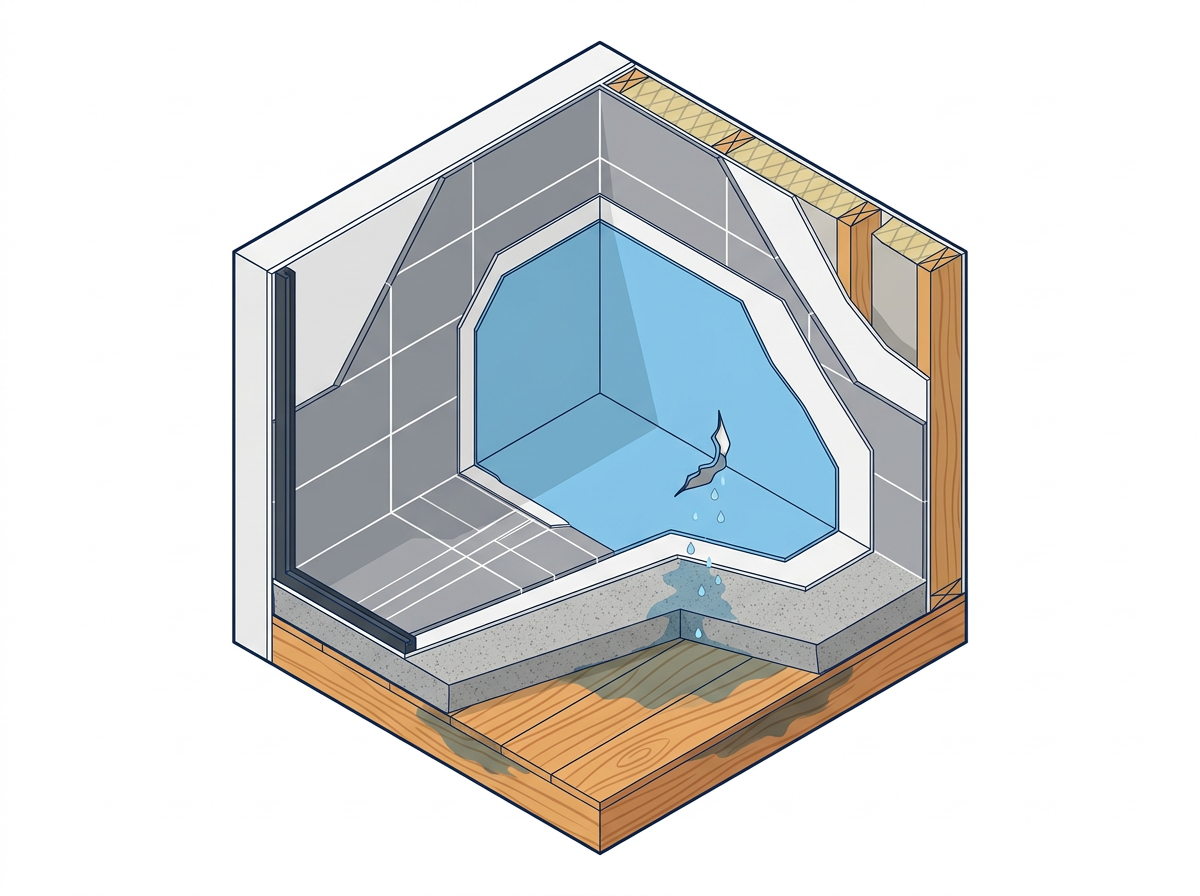
Older homes feel it first. Many bathrooms built before the 2003 update to AS 3740 use brittle bitumen or two-coat acrylic membranes that have hit the end of their service life. When the substrate moves with temperature change, the membrane cracks at corners and around the floor waste, and water tracks under the tiles where you can't see it.
The result is predictable. Sydney plumbers see a clear spike in leaking shower call-outs between late May and August every year, and the worst damage almost always traces back to a leak the homeowner first noticed months earlier and hoped would dry out.
The Five Real Causes of a Leaking Shower
A leaking shower is rarely "the shower". It is one of five specific failures, and each one needs a different fix. Knowing which you have saves you from paying for the wrong repair.
- Failed waterproof membrane. The hidden blue or grey sheet under your tiles has split, lifted at a corner or perished with age. This is the most common cause in homes 15+ years old.
- Cracked or missing grout. Grout is not waterproof on its own, but intact grout slows water down enough for the membrane to do its job. Cracked grout lets water through faster than the membrane can cope with.
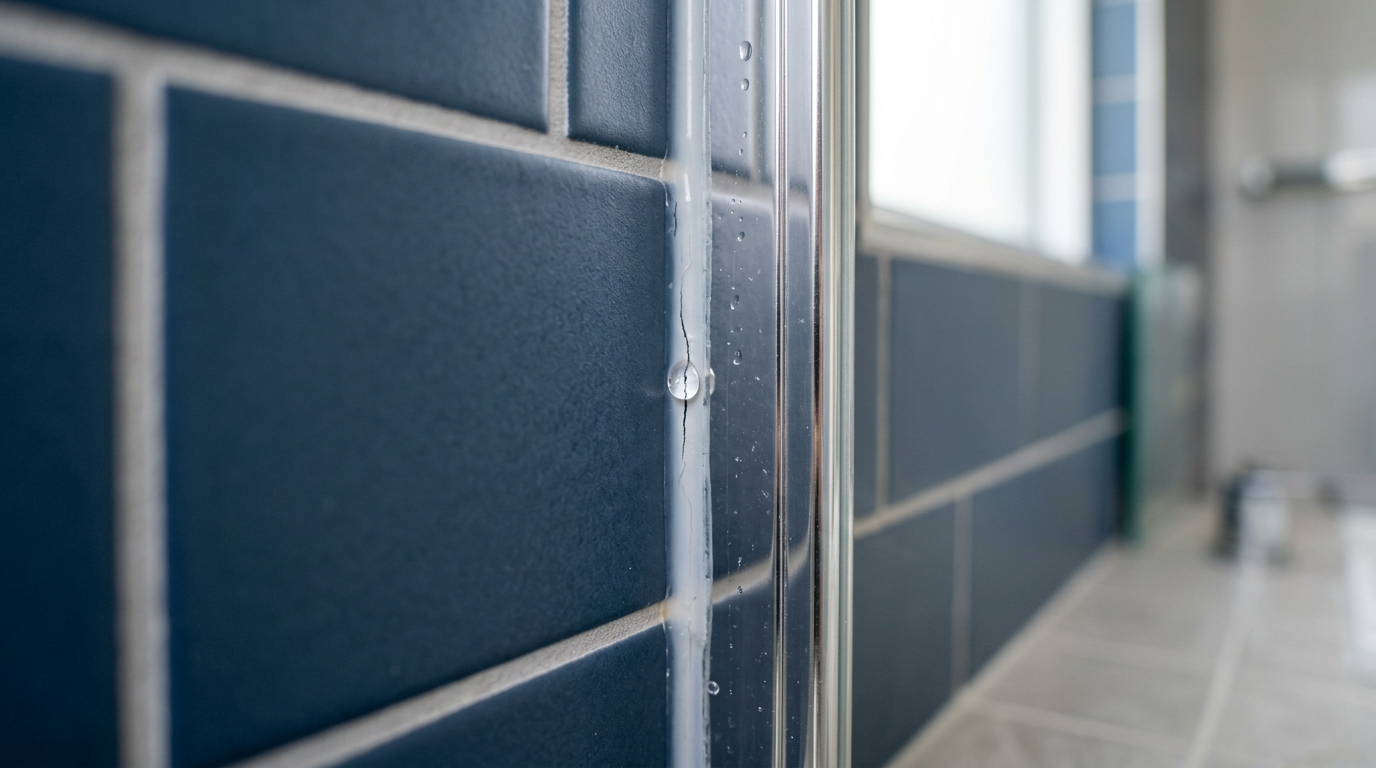
- Failed silicone joins. The flexible silicone where wall meets floor and where the screen meets tile is a wear item. It splits, peels and grows mould inside the join.
- Leaking shower screen or hob. Frameless screens, channel seals and old hob joints can let water escape onto the bathroom floor rather than back into the waste.
- Pipe or drain failure. A leaking mixer body, a perished drop-ear elbow inside the wall or a cracked floor waste pushes water into the cavity even when the surface looks fine.
A licensed plumber confirms which one you have before quoting. If a tiler offers to "just regrout it" without checking the membrane, you are buying a few months of dry ceiling, not a fix.
Warning Signs Most Sydney Homeowners Miss
The obvious signal is water dripping through the downstairs ceiling, but by then the leak has usually been running for a long time. Catching it earlier is much cheaper.
Inside the bathroom
- Black mould lines in the silicone that keep coming back after cleaning.
- Grout that feels soft or crumbles when you scratch it with a coin.
- Tiles that sound hollow when tapped, or lifting along the bottom row.
- A musty smell that lingers even after the exhaust fan has run.
- Rust stains under metal floor wastes or around screen channels.
Outside the bathroom
- Hairline cracks in cornices on the floor below the shower.
- Paint bubbling on the bathroom wall in the adjoining bedroom or hallway.
- Warped or cupping floorboards near the bathroom door.
- Skirting boards that have started to swell or split at the bottom.
- A water bill that quietly rose without a clear reason, which is also a sign of a wider plumbing issue covered in our piece on why your Sydney water bill jumped and the Hidden Leak Allowance.
The 30-Minute Sydney Shower Test You Can Do Today
Before you call anyone, this simple test tells you whether the leak is surface-only or structural. Do it before work in the morning, when the bathroom has been dry overnight.
- Block the drain. A rubber drain stopper or a plastic bag weighed down with a tile works fine.
- Fill the base with about 20mm of water. Mark the water level on the tile with a pencil or removable sticker.
- Wait 30 minutes. Do not use the shower or any other water during this window.
- Read the result. If the water level has dropped, your floor waste or membrane is leaking. If the level holds but the ceiling below still gets damp during a normal shower, the leak is at the screen, the silicone or the wall tiles above the base.
- Photograph everything. Save dated photos of stains, mould, the water test and any meter movement. They become your insurance and trade evidence.
If you can't safely block the drain, skip the test and book a leak detection visit instead. A licensed plumber uses moisture meters, thermal imaging and tracer dye to find the source without guesswork.
2026 Sydney Repair Costs: What You Should Actually Pay
These ranges reflect what Sydney households are paying in winter 2026 for licensed work with a warranty. They assume a standard residential shower, reasonable access, and no asbestos sheet behind the tiles.
- Regrout and reseal silicone: $250 to $650. Right answer when the membrane is sound and only the surface has failed.
- Shower screen reseal or channel replacement: $180 to $550. Common on frameless screens after 5 to 8 years.
- Floor waste replacement (existing tile cut around): $450 to $900.
- Topical re-waterproofing system (over existing tile): $900 to $2,500 depending on size and finish. Single-day install, no demolition.
- Full strip out and re-waterproof to AS 3740 with new tiles: $3,500 to $7,500 for a standard shower. Two to three weeks including cure times.
- Concealed pipe or mixer body repair: $450 to $1,800 depending on access, often paired with a burst pipe repair.
- Bathroom rebuild after long-term damage: $18,000 to $35,000 once joists, sheeting and tiling are involved. This is what waiting costs.
The jump from a $2,500 topical fix to a $25,000 rebuild is almost always one winter of inaction. A free quote in June is cheaper than a structural carpenter in September.
Topical Waterproofing vs Full Strip Out: How to Choose
A modern topical waterproofing system is a clear or pigmented liquid membrane that bonds over existing tiles, grout and silicone. Applied correctly by a licensed waterproofer, it carries a 10 to 15 year manufacturer warranty and seals the shower without lifting a single tile.
It is the right answer when the substrate is still firm, tiles are well bonded, and you are happy with the existing look. It is the wrong answer when tiles are drummy, when the floor flexes, when there is visible structural damage to the wall or floor, or when the bathroom is already due for renovation. Putting a topical system over a moving substrate buys you 18 months, not 15 years.
A full strip-out and re-tile costs more and disrupts the home for longer, but it resets the clock completely. If you are planning a bathroom renovation in the next two or three years anyway, bringing it forward usually beats paying for a stop-gap.
The Mould Problem That Comes With Every Shower Leak
Sydney's average winter relative humidity sits around 70 to 75 percent. Add a slow leak behind a tile and the cavity stays above the 60 percent threshold where mould thrives, around the clock, for months. NSW Health treats indoor mould as a respiratory and allergy risk and recommends fixing the moisture source first, then cleaning the visible mould (see NSW Health mould guidance).
Bleaching the silicone every weekend does not fix anything. The mould is feeding on moisture inside the wall, and you are only treating the part you can see. Stopping the leak is the only intervention that actually clears it.
If the leak has already reached the cavity, expect to remove and replace plasterboard, insulation batts and any soft timber inside a 600mm radius of the wet zone. Roof cavities above the bathroom often need ventilation work too, which is covered in our guide to roof ventilation and winter condensation in Sydney homes.
Insurance, Strata and the Sydney Compliance Trap
Most Sydney home insurance policies pay for sudden, accidental water damage and refuse claims for "gradual water damage" or "deterioration". A shower leak that has been quietly running for six months is almost always classified as gradual. Read your product disclosure statement before you assume the repair is covered, and get the cause documented by a licensed plumber as early as possible.
In strata, the situation is sharper. The shower waterproofing in a unit is usually the lot owner's responsibility, but the damaged ceiling in the unit below sits with the owners corporation under NSW Fair Trading strata rules. Acting fast protects both your wallet and your relationship with the neighbours.
Any plumbing or waterproofing work in NSW must be done by a licensed tradesperson. You can verify a licence on the NSW Fair Trading licence checker. Cash-job patchwork voids both insurance and warranty, and rarely passes a pre-sale inspection.
How To Stop the Next Shower Leak Before It Starts
Once the current leak is fixed, a small amount of routine attention adds years to the next membrane. None of this is hard.
- Run the exhaust fan during every shower and for 10 minutes afterwards to drop cavity humidity.
- Squeegee the screen and the lower tiles after long winter showers to cut standing water on the seals.
- Inspect silicone joins every six months and replace any section that has split, peeled or grown black mould inside the bead.
- Re-grout cracked or missing sections within a month rather than leaving them for the next renovation.
- Book a five-year plumbing check that includes shower waterproofing, mixer bodies and the floor waste, similar to the routine in our winter hot water system checklist for Sydney homes.
- If you renovate, insist on AS 3740 compliance documentation and a waterproofing certificate from the licensed waterproofer.
A well-built Sydney shower with basic care should run 15 to 25 years between waterproofing jobs. Skipping the basics easily halves that.
When To Call Tradetek Solutions
Pick up the phone if any of these apply:
- A stain, bubble or drip has appeared on the ceiling or wall under or beside your shower.
- Mould keeps returning in the same silicone or grout line within a week of cleaning.
- Tiles sound hollow, lift at the edge, or the floor flexes underfoot in the shower.
- The downstairs neighbour or the unit next door has reported a damp patch.
- Your water bill has risen without an obvious reason and the meter ticks over with all taps off.
Tradetek Solutions provides licensed plumbers, leak detection, waterproofing coordination and full bathroom repairs across Sydney, the Central Coast and Newcastle. We attend most non-emergency jobs within 24 to 48 hours and provide written quotes before any work starts. For active leaks causing damage right now, our 24/7 emergency plumbing team responds within 60 minutes across the Sydney metro area.
Frequently Asked Questions
Book a Leaking Shower Inspection This Winter
Get the leak diagnosed properly before mould reaches the cavity. Tradetek Solutions provides licensed leak detection, repair and full waterproofing coordination across Sydney, the Central Coast and Newcastle.
Related Services
Related Articles
How to Find Hidden Water Leaks at Home
Spot leaks before they reach walls, floors and ceilings
Roof Ventilation & Winter Condensation in Sydney Homes
Why bathroom moisture above the ceiling is its own problem
Why Your Sydney Water Bill Just Jumped
Hidden leak allowance, silent leaks and how to claim back