
Colorbond vs Tile Roof: Which Is Better for Sydney Homes in 2026?
By the team at Tradetek Solutions
Updated June 2026
Refreshed with 2026 BlueScope Colorbond pricing, current tile re-roof quotes and links to related guides on roof leak repair costs, storm damage insurance claims and skylight installation.
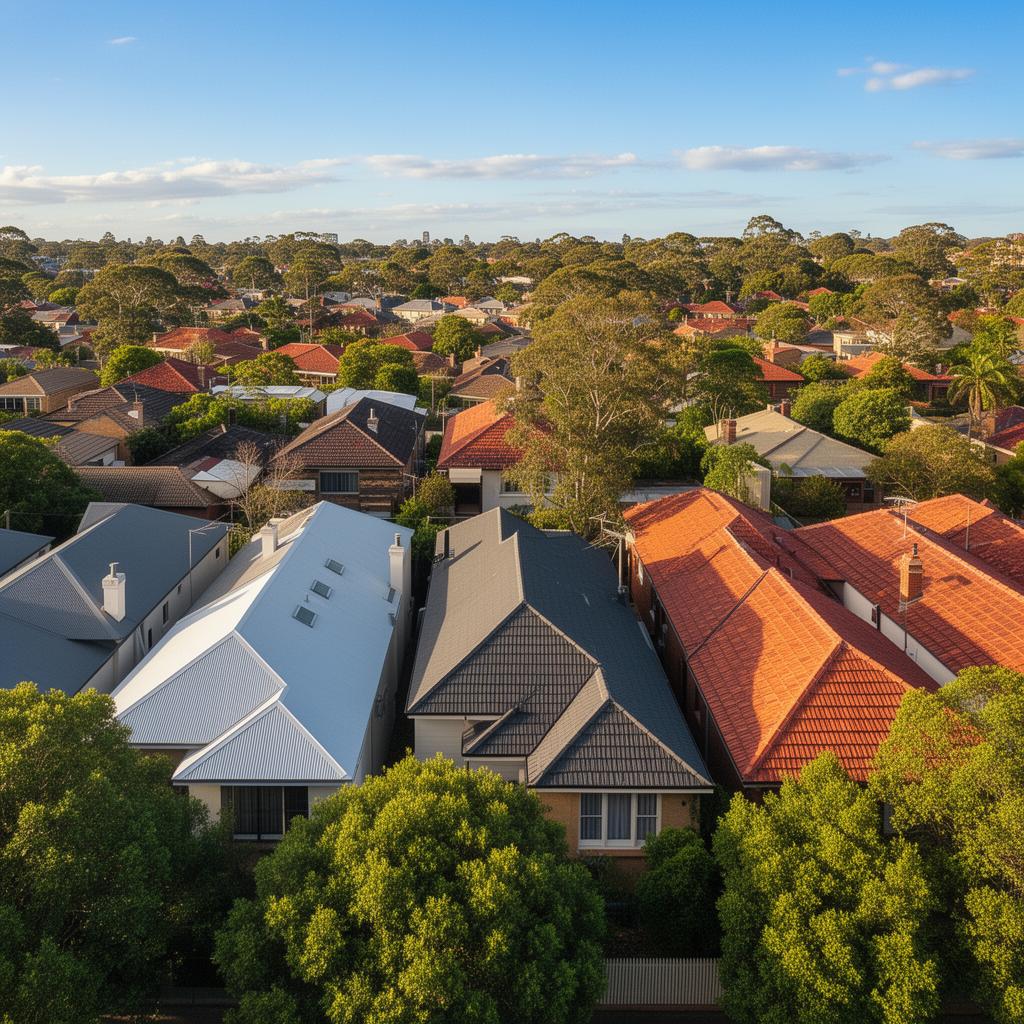
Drive through any suburb from Hornsby to Hurstville and you will see the split: one side of the street covered in corrugated Colorbond, the other topped with terracotta or concrete tiles. Both have been popular across Sydney for decades. Both work. But they are very different materials with different costs, different lifespans, and different behaviour in Sydney's increasingly unpredictable weather.
If you are replacing a roof this year, or building new, the Colorbond vs tile question probably keeps coming up. Your builder has a preference. Your neighbour has an opinion. Online forums are full of conflicting advice. This guide cuts through the noise with a straight comparison based on what we actually see on roofs across the Central Coast, North Shore, and greater Sydney every week.
By the end, you will know which material suits your home, your budget, and your suburb. And if you are still unsure, we offer free roof inspections so you can get a professional recommendation based on your actual roof structure.
What Is Colorbond Roofing?
Colorbond is a pre-painted steel roofing product manufactured by BlueScope Steel in Australia. It has been used on Australian homes since the 1960s, and today it accounts for more than 50% of all new residential roofing installations across NSW.
The product is a sandwich of five layers: a steel base, a hot-dipped zinc/aluminium alloy coating (called Activate technology), a conversion layer, a corrosion-resistant primer, and a baked-on topcoat in your choice of colour. That layered structure is what gives Colorbond its durability. It does not crack, peel, or absorb moisture the way older painted steel products did.
Colorbond comes in corrugated and standing-seam profiles. The most popular colours in Sydney right now are Monument, Basalt, Surfmist, and Woodland Grey. It is lightweight (about 5 kg per square metre), which means your roof frame does not need the heavy-duty timber framing that tiles require.
What Is Tile Roofing?
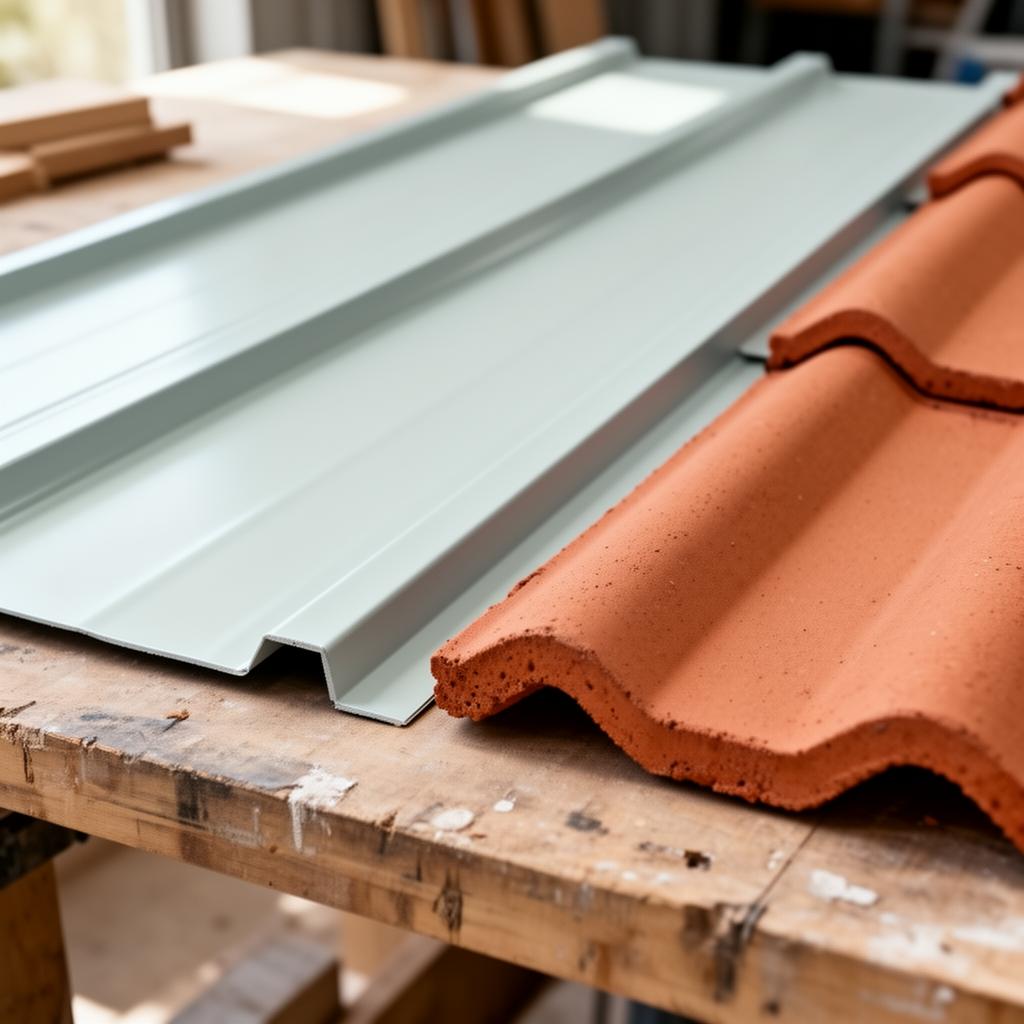
Tile roofing in Sydney generally means one of two things: concrete tiles or terracotta tiles. Concrete tiles are made from sand, cement, and water, pressed into shape and cured. Terracotta tiles are made from natural clay, fired in a kiln at extremely high temperatures.
Both types have been a staple of Australian construction since the 1950s. Walk through suburbs like Epping, Ryde, or Pymble and you will see entire streets of homes with Monier or Boral concrete tiles installed 30 or 40 years ago. Many are still performing well. Others are showing their age with cracked tiles, eroded bedding on the ridge caps, and sagging battens.
Tiles are heavy. A concrete tile roof weighs roughly 50 to 55 kg per square metre. Terracotta sits around 45 to 50 kg. That weight has structural implications: the roof frame needs to be engineered to carry it, and replacing a tile roof with Colorbond sometimes means the existing frame is overbuilt for the lighter material, which is actually a bonus.
Cost Comparison: Colorbond vs Tile in 2026
Cost is usually the first question. Here is what Sydney homeowners are paying in 2026 for an average-sized home (roughly 180 to 220 square metres of roof area).
| Factor | Colorbond Steel | Concrete Tile | Terracotta Tile |
|---|---|---|---|
| Full replacement cost | $15,000 to $25,000 | $20,000 to $35,000 | $30,000 to $45,000+ |
| Expected lifespan | 40 to 70 years | 50 to 70 years | 60 to 80+ years |
| Thermal performance | Good with insulation (Thermatech available) | Very good natural mass | Excellent natural mass |
| Maintenance needs | Minimal: gutter clean, occasional check | Moderate: ridge capping, broken tiles, moss | Moderate: ridge capping, occasional tile |
| Resale value impact | Positive, especially newer suburbs | Neutral to positive | Positive in heritage areas |
A few things stand out. Colorbond is cheaper upfront and faster to install. A full Colorbond roof replacement typically takes two to three days for a standard home. A tile reroof can take a week or more, partly because of the weight handling and partly because of the bedding and pointing work on ridge caps.
Terracotta is the premium option. It costs more upfront, but in suburbs like Mosman, Killara, and Gordon, the look and heritage value of terracotta can genuinely add to your property price. For a 1960s brick home on the Upper North Shore, ripping off terracotta and putting on Colorbond might actually reduce curb appeal.
Which Handles Sydney Storms Better?
Sydney's storm season has become increasingly intense. The Bureau of Meteorology recorded 14 severe thunderstorm warnings for the greater Sydney basin in 2025 alone. Hailstones the size of golf balls hit the Northern Beaches in November. Wind gusts above 100 km/h hammered the Central Coast three times between October and February.
In these conditions, Colorbond has a clear advantage. Metal roofing sheets are screwed directly to the rafters or purlins. They cannot lift individually like tiles can. A properly installed Colorbond roof is rated to withstand wind gusts up to 250 km/h according to BlueScope's engineering specifications.
Tiles are more vulnerable. Concrete tiles can crack under hail impact. Individual tiles can shift or lift in strong winds, especially if the original bedding has deteriorated. Once a single tile shifts, water gets underneath and the damage spreads quickly. After major storms, our team typically receives three to four times more calls for tile roof repairs than for Colorbond issues.
That said, tiles have one advantage in hail: their mass absorbs impact differently. Small hailstones that would dent thin metal may bounce off a tile without damage. But for golf-ball-sized hail, both materials can suffer. The difference is that a dented Colorbond sheet still keeps water out, while a cracked tile does not.
Heat and Insulation: Which Keeps Your Home Cooler?
This is where tiles have traditionally held the advantage. The thermal mass of a concrete or terracotta tile means it absorbs heat slowly during the day and releases it slowly at night. On a 38-degree January afternoon in western Sydney, that thermal mass can make a real difference to how hot your ceiling space gets.
Colorbond has closed the gap significantly. BlueScope's Thermatech technology, available on most lighter Colorbond colours, reflects a higher percentage of the sun's heat. Paired with proper roof insulation (R4.0 or higher, which is the current National Construction Code minimum for most Sydney climate zones), a Colorbond roof can perform comparably to tiles.
The key factor is not just the roof material. It is the whole system: roofing material plus insulation plus ventilation. A tile roof with no insulation will perform worse than a Colorbond roof with R5.0 batts and a whirlybird. If you are replacing your roof, upgrade the insulation at the same time regardless of which material you choose.
Maintenance: What Each Roof Needs Over Time
Colorbond is about as low-maintenance as a roof gets. You need your gutters cleaned regularly (we recommend twice a year for most Sydney homes). An annual visual check from ground level is a good idea to spot any loose screws, minor dents, or leaf buildup in valleys. Beyond that, a well-installed Colorbond roof mostly takes care of itself.
Tile roofs need more attention. Here is the typical maintenance timeline:
- Every 5 to 10 years: Check ridge capping bedding and pointing. The cement mortar that holds ridge caps in place degrades over time, especially on roofs exposed to salt air on the Northern Beaches or coastal Central Coast suburbs.
- Every 10 to 15 years: Replace cracked or broken tiles. Even small cracks allow water to seep through to the underlay and timber battens.
- Every 15 to 20 years: Consider a full roof restoration including repointing, rebedding, pressure cleaning, and resealing.
- Ongoing: Moss and lichen removal, particularly on south-facing slopes that get less sun. Moss holds moisture against the tile surface and accelerates deterioration.
Over a 50-year period, the accumulated maintenance cost on a tile roof can add $10,000 to $20,000 to the total cost of ownership. That narrows the price gap with Colorbond considerably.
When Tiles Are the Better Choice
Colorbond wins on most practical measures. But there are genuine situations where tiles make more sense:
- Heritage conservation areas: Some councils require homes in heritage zones to maintain a tile roof. Check with your local council planning department before committing to a material change.
- Noise sensitivity: Tiles are quieter in rain. A heavy downpour on a Colorbond roof creates noticeable drumming, even with insulation. If your bedroom is directly under the roofline and you are a light sleeper, this is worth considering.
- Extreme heat zones: For homes in western Sydney where summer temperatures regularly exceed 40 degrees, the thermal mass of tiles provides a measurable benefit, particularly for single-storey homes with cathedral ceilings.
- Streetscape value: On a street of terracotta-roofed federation homes, a Colorbond conversion can look out of place. The right material for your home depends partly on the homes around it.
Not sure which roofing material suits your home?
Our roofers inspect your roof structure, assess your suburb's conditions, and give you an honest recommendation. No pressure, no obligation.
When Colorbond Is the Clear Winner
For most Sydney homeowners replacing a roof in 2026, Colorbond is the stronger option. Here is when it is the obvious pick:
- Budget-conscious projects: Lower material cost, faster installation, and decades less maintenance add up to significant savings.
- Storm-prone areas: If your home is on the Central Coast, Northern Beaches, or any elevated position exposed to southerly winds, Colorbond's wind rating gives real peace of mind.
- Modern or contemporary homes: Colorbond suits flat, skillion, and low-pitch roof designs that tiles cannot handle. If your home has a roof pitch below 15 degrees, tiles are not an option.
- Solar panel installations: Mounting solar panels on Colorbond is simpler and cheaper. There is no risk of cracking tiles during installation or when panels need servicing.
- Weight concerns: Older homes with lightweight timber framing may not support the weight of tiles without structural upgrades. Colorbond avoids that cost entirely.
Making the Right Decision for Your Home
The Colorbond vs tile question does not have a universal answer. The right choice depends on your home's structure, your suburb, your budget, and your priorities. Here is a quick decision framework:
- Check your roof pitch. Below 15 degrees? Tiles are off the table. Colorbond or another metal roofing option is your only practical choice.
- Check your council. Heritage overlay or conservation area? You may be restricted to tiles or need special approval for Colorbond.
- Assess the frame. A qualified roofer can tell you whether your existing frame supports tiles, or whether switching to Colorbond opens up the option of a lighter, more cost-effective structure.
- Think long-term. Factor in 30 to 50 years of maintenance. A cheaper upfront tile quote can become the more expensive option over time when you include ridge capping repairs, tile replacements, and restoration costs.
- Get a professional opinion. Not from a forum. Not from a mate. From someone who has been on your roof and assessed the timber, the pitch, the exposure, and the existing condition. Our article on when to replace vs repair your roof covers the key decision factors in more detail.
Frequently Asked Questions
Get an Expert Opinion on Your Roof
Whether you are leaning towards Colorbond or tiles, the smartest move is to get a professional assessment before committing. Every roof is different. The pitch, the frame, the exposure, the suburb, the existing condition: all of these factors change the recommendation.
At Tradetek Solutions, we provide free roof inspections across Sydney, the Central Coast, and Newcastle. We will assess your roof structure, explain your options honestly, and give you a detailed quote with no hidden costs. If your current roof still has life in it, we will tell you that too. Read more about our roof repair services or call us directly.
Ready to Choose the Right Roof?
Book a free, no-obligation roof inspection. We will assess your home and recommend the best material for your situation.