
Water Hammer in Sydney: Why Your Pipes Bang and How to Fix It
By the team at Tradetek Solutions
It usually starts on a cold August morning. Someone in a Chatswood townhouse turns off the kitchen mixer and a thud rolls through the wall behind the splashback. In a Penrith brick veneer the washing machine finishes filling and the roof space knocks twice, hard enough to rattle a picture frame. Sydney houses have been doing this for decades, and every winter the calls pick up because cold pipework contracts, clips loosen a fraction, and everyone showers within the same forty minute window.
That knock has a name. Water hammer is a pressure surge created when moving water is stopped suddenly, and the sound is the shockwave slamming into pipe walls, fittings and anything the pipe is touching. It is annoying at two in the morning, but the real problem is what it does to joints, braided hoses and soldered connections over time. This guide covers why Sydney homes are particularly prone to it, how to work out which of the five common causes you have, what the repairs cost in 2026, and when to stop testing and call a licensed plumber.
What Water Hammer Actually Is
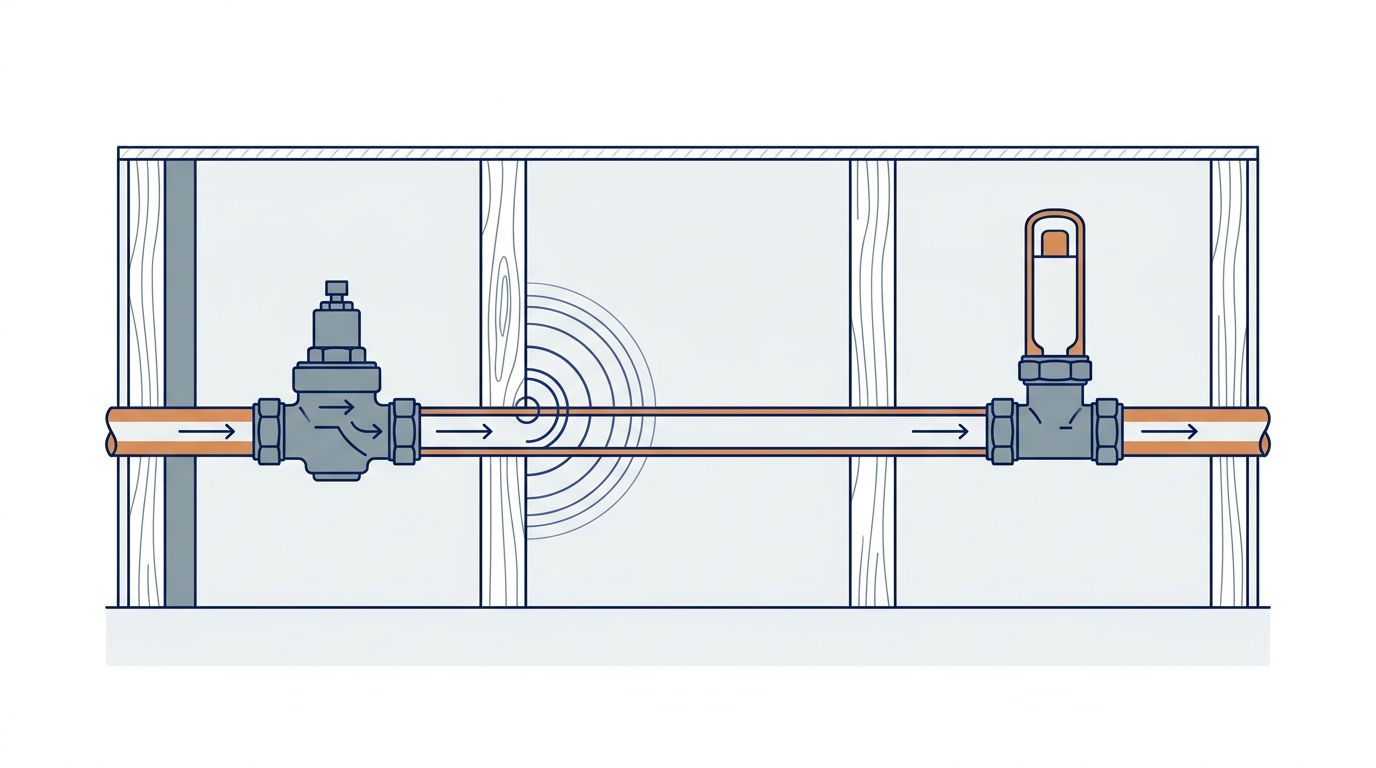
Water is heavy and it does not compress. When a tap or a valve closes in a fraction of a second, the column of water behind it still wants to move at the same speed. All that momentum has nowhere to go, so it converts into a pressure spike that travels back up the pipe at close to the speed of sound in water, bounces off the next restriction and comes back again. The banging you hear is that wave rattling the pipe inside a wall cavity or against a roof batten.
Engineers call it hydraulic shock. The spike can be several times the normal running pressure, which matters because most household fittings are rated for steady pressure rather than repeated hammering. A joint that survives 500 kilopascals all day can still fail after a few thousand surges.
Why Sydney sees so much of it
- High supply pressure in parts of the network. Sydney Water pumps and stores water across a huge range of elevations, described in its overview of the drinking water network. Homes low in a pressure zone get the strongest supply, and hilly suburbs sit right at the top of that range.
- Older copper installations. Anything installed before the late 1980s often relies on air chambers rather than modern arrestors, and those fill with water over time.
- Renovations that skip the clipping. Kitchen and bathroom refits regularly leave new pipework running through old cavities with too few clips.
- Front loaders and dishwashers everywhere. Solenoid valves close in about twenty milliseconds, which is exactly the condition that creates a surge.
- Lightweight construction. Timber framed upper floors and apartment plasterboard transmit the knock through the whole house rather than absorbing it.
The Five Real Causes, Ranked by How Often We Find Them
Almost every job we attend comes back to one of these. Working through them in order saves money, because the cheapest fix is often the right one.
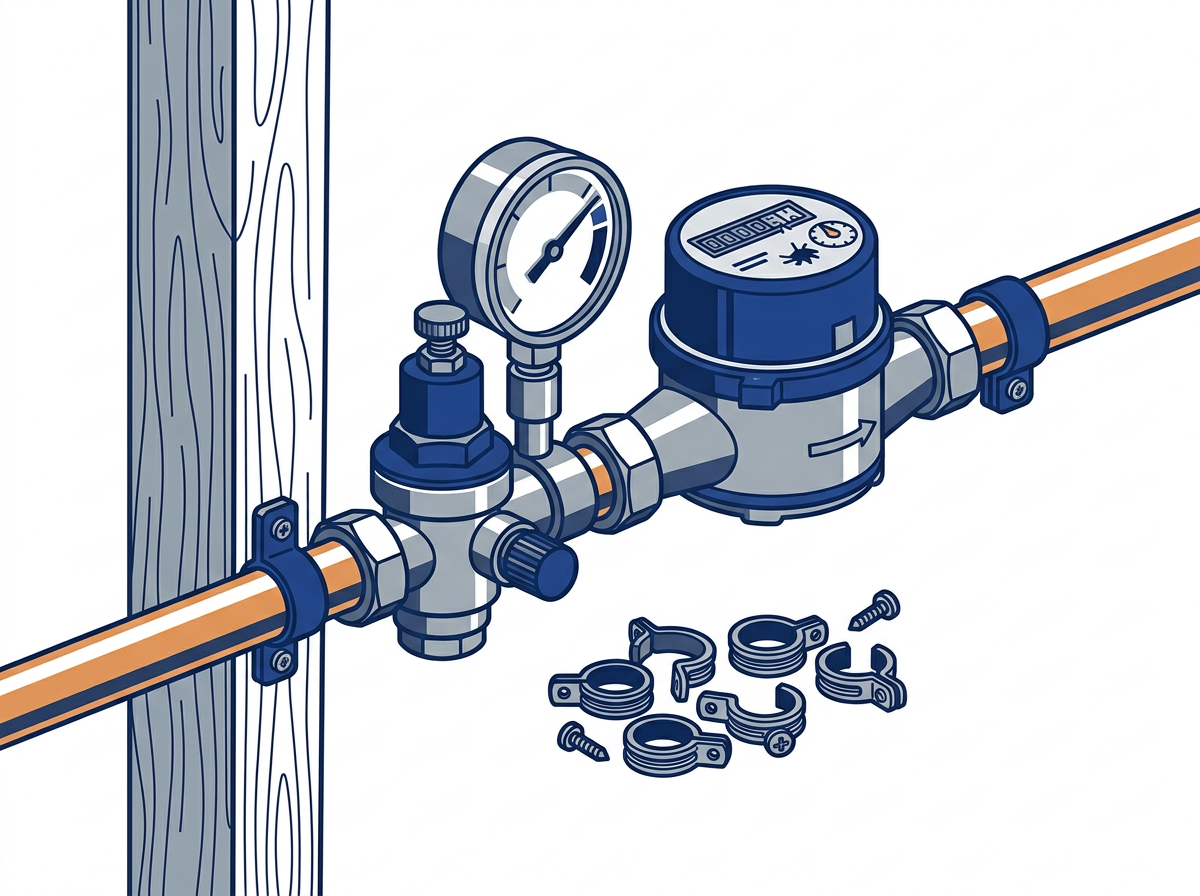
- Excessive mains pressure with no working pressure limiting valve. The single most common cause across Sydney. Many homes never had a valve fitted, and the ones that do often have a valve past its service life sitting open.
- Fast closing appliance solenoids. A bang timed precisely to the washing machine or dishwasher filling is almost always this.
- Loose or missing pipe clips. The surge is normal but the pipe is free to move and strike a stud, a joist or a brick course.
- Worn tap washers and jumper valves. A failing washer can flutter as it seals, producing a machine gun rattle rather than a single thud.
- Waterlogged air chambers. Older homes have short capped stubs above fixtures that were meant to hold a pocket of air. Once they fill, the cushion is gone.
How the sound tells you which one it is
- One sharp bang when a tap closes. Pressure or clipping.
- Rapid machine gun rattle while water runs. Worn washer or jumper valve in that tap.
- Two or three knocks after an appliance fills. Solenoid closure plus unsupported pipe.
- Noise only upstairs. Pipework in the roof space or the upper floor cavity is moving.
- Noise that returns weeks after a fix. Air chambers refilling with water, or the wrong fix was applied.
The Ten Minute Test You Can Run This Weekend
You can get most of the way to a diagnosis before anyone visits. Take notes as you go, because the answers change the quote.
- Close every tap and appliance in the house, then screw a pressure gauge onto the garden tap nearest the meter. Read the number.
- Open and close each tap on its own, quickly. Mark down every fixture that produces the bang.
- Start the washing machine, then the dishwasher, one at a time. Note whether the noise happens on fill.
- Put a hand on any exposed pipe in the laundry, garage or subfloor while someone shuts the worst tap. Feel for movement.
- Turn off the meter, open the highest and lowest taps in the house until they stop running, close them, then turn the supply back on slowly and check whether the noise has gone.
A gauge reading above 500 kilopascals with the house closed is the strongest single clue you can collect, and it usually means the fix is at the meter rather than inside the walls.
What the Rules Say About Pressure in New South Wales
Household plumbing in Sydney is governed by the Plumbing Code of Australia within the National Construction Code 2025 Volume Three, which calls up AS/NZS 3500.1 for water services. Two points from those documents matter to a homeowner with banging pipes.
- Maximum static pressure at any outlet in a new or altered installation is capped at 500 kilopascals, which is why a pressure limiting valve is standard on modern Sydney homes.
- Water services must be supported and fixed so they cannot move, vibrate or transmit noise, which is the clause a plumber is relying on when they re-clip a run.
The Australian Building Codes Board publishes plain explanations of how those plumbing provisions fit together in its plumbing standards resources. Industry practice notes from the Master Plumbers Association and the Water Services Association of Australia cover the same ground from the installer and network sides.
The Fixes, and What Each One Costs in 2026
Prices below are typical Sydney metropolitan ranges for a standard residential job during business hours. Two storey access, tiled walls and strata approvals push the upper end.
- Diagnostic visit with pressure test. 150 to 250 dollars, generally credited against the repair.
- Pressure limiting valve supplied and fitted at the meter. 350 to 650 dollars, the most common permanent fix.
- Water hammer arrestor on one fixture or appliance line. 250 to 450 dollars fitted.
- Multiple arrestors during a bathroom or laundry refit. 600 to 1,200 dollars for the set.
- Re-clipping accessible pipework in a roof space or subfloor. 300 to 700 dollars.
- Opening and patching a wall to secure pipework. 700 to 1,500 dollars including make good.
- Tap washer and jumper valve replacement. 120 to 220 dollars for the first tap, less for each additional one on the same visit.
- Replacing failed braided flexible hoses under a vanity or sink. 150 to 300 dollars a pair.
Which fix suits which house
- Post 2000 build with high gauge reading. Replace or reset the pressure limiting valve first and retest before doing anything else.
- Federation or interwar home with copper. Expect a combination of pressure control and re-clipping, since the original installation predates modern support spacing.
- Apartment or townhouse. Arrestors on the appliance lines usually solve it, and the common property pressure setting is a strata matter.
- Recently renovated kitchen or bathroom. Suspect clipping in the new work before spending money at the meter.
The Damage Water Hammer Does If You Leave It
People live with the noise for years. The bill arrives later, usually as water damage rather than a plumbing invoice.
- Braided flexible hoses split. These sit under sinks and vanities, carry full mains pressure and are a leading cause of internal flooding claims in Australian homes.
- Soldered joints fatigue. Repeated shock works capillary joints loose inside walls, where the leak stays hidden until a ceiling stains.
- Hot water units suffer. Surges stress the cold inlet, the tempering valve and the relief valve on storage systems.
- Tap seats wear faster. A hammering system chews through washers, which then creates its own rattle.
- Meter assemblies and filters loosen. Anything threaded gradually works free under repeated shock.
If you already suspect a slow leak somewhere behind the noise, our guide on how to find hidden water leaks at home walks through the meter test, and the leak detection team can bring thermal and acoustic gear if the meter is ticking with everything closed.
What a Plumber Does on Site
A proper water hammer callout is a process rather than a guess. Ask for these steps when you book.
- Static and dynamic pressure readings taken at the meter and at a fixture, recorded in writing.
- Inspection of the existing pressure limiting valve, including its date stamp and whether it is passing.
- Fixture by fixture reproduction of the noise so the source is confirmed rather than assumed.
- Visual check of accessible pipework in the roof space, subfloor and laundry for clip spacing and contact points.
- Recommendation with options, including what a pressure fix alone is likely to solve and what will remain.
- Retest after the work with the same gauge, so the improvement is measured rather than described.
Confirm the licence before anyone starts. New South Wales requires a current plumbing and drainage licence for this work and you can verify it through NSW Fair Trading licence checks for plumbers and drainers. Sydney Water sets out its own rules for work near the meter and the service connection in its plumbing and building guidance.
Water Hammer or Something Else? Telling Sydney Pipe Noises Apart
Not every noise in the wall is hydraulic shock, and chasing the wrong one wastes a callout. These are the sounds we get asked about most often in Sydney homes, and what each usually means.
- A single hard thud when a tap closes. Water hammer. Reproducible on demand and always tied to a valve shutting.
- A high whistle while water runs. A restriction rather than a surge, commonly a partly closed isolating valve, a blocked aerator or a failing tap seat.
- Ticking or clicking after a hot shower. Copper expanding and sliding against a joist or a stud. Irritating, not damaging, and fixed with a felt lined clip.
- A groan or shudder from the roof space. Often a hot water unit relief valve or an old pressure valve chattering as it tries to regulate.
- Gurgling in drains rather than supply pipes. A venting or blockage issue, covered in our guide on why Sydney drains keep blocking every winter.
A quick way to separate supply noise from drain noise is to fill a bucket from a tap, then tip it down the sink. If the sound only appears while water is being supplied, the problem is on the pressure side of the house.
Designing the Problem Out of a Renovation
The cheapest time to prevent water hammer is while the walls are open. Sydney bathroom and kitchen renovations regularly finish with new tapware bolted onto old, unsupported pipework, and the noise starts within a fortnight of the tiler leaving.
- Confirm the pressure limiting valve before first fix. A new mixer set behind a tiled wall is the worst possible place to discover excessive pressure.
- Ask for arrestors on the appliance lines. Dishwasher and washing machine points are the two most reliable sources of surge in a modern home.
- Specify clip spacing in the quote. Support at the intervals set out in AS/NZS 3500.1, with extra clips either side of every change of direction.
- Isolate pipe from timber. Insulated or acoustic clips stop the small movements that a rigid clip transmits straight into the frame.
- Photograph the rough in. A phone photo of every wall before sheeting turns a future repair from exploratory demolition into a targeted cut.
The same thinking applies to a hot water changeover. Storage and heat pump units bring their own valves and non return devices, and a system that was quiet on gas can start knocking after the swap. If you are planning that work, our guide on heat pump hot water in Sydney covers what changes at the meter and the switchboard.
Why August Is the Right Month to Deal With It
Two things line up at the end of a Sydney winter. Pipework is at its coldest and most contracted, so the noise is at its loudest and easiest to reproduce for a plumber standing in your laundry. A fault that hides in February will announce itself this month.
The second is timing. Spring is when hot water systems, renovations and storm work fill the diary, and a pressure valve replacement is a one hour job that gets pushed behind emergencies. Booking a diagnostic now generally means an appointment inside the week rather than a wait.
There is a practical reason too. If a surge has already fatigued a flexible hose, the failure tends to come during a hot day when the house is empty. Fixing the pressure before summer removes the cause instead of dealing with the consequence. Our water pressure services page covers testing and valve work, and pipe repairs handles the joints and clipping once the pressure is right.
Frequently Asked Questions
Stop the Bang Before It Costs You a Ceiling
Banging pipes are the plumbing equivalent of a warning light. The noise is free to ignore, the split hose behind the vanity is not. Nine times out of ten the answer in Sydney is a pressure reading taken at your meter, and the repair is finished in a single visit.
Tradetek Solutions runs licensed plumbers across Sydney, the Central Coast and Newcastle, and we test pressure before quoting rather than after. Book a water hammer diagnostic on 0488 822 794 or through our contact page, and if a hose has already let go, our emergency plumbing crews are on call around the clock.