
Low Water Pressure in Sydney: Causes, Tests and Fixes
By the team at Tradetek Solutions
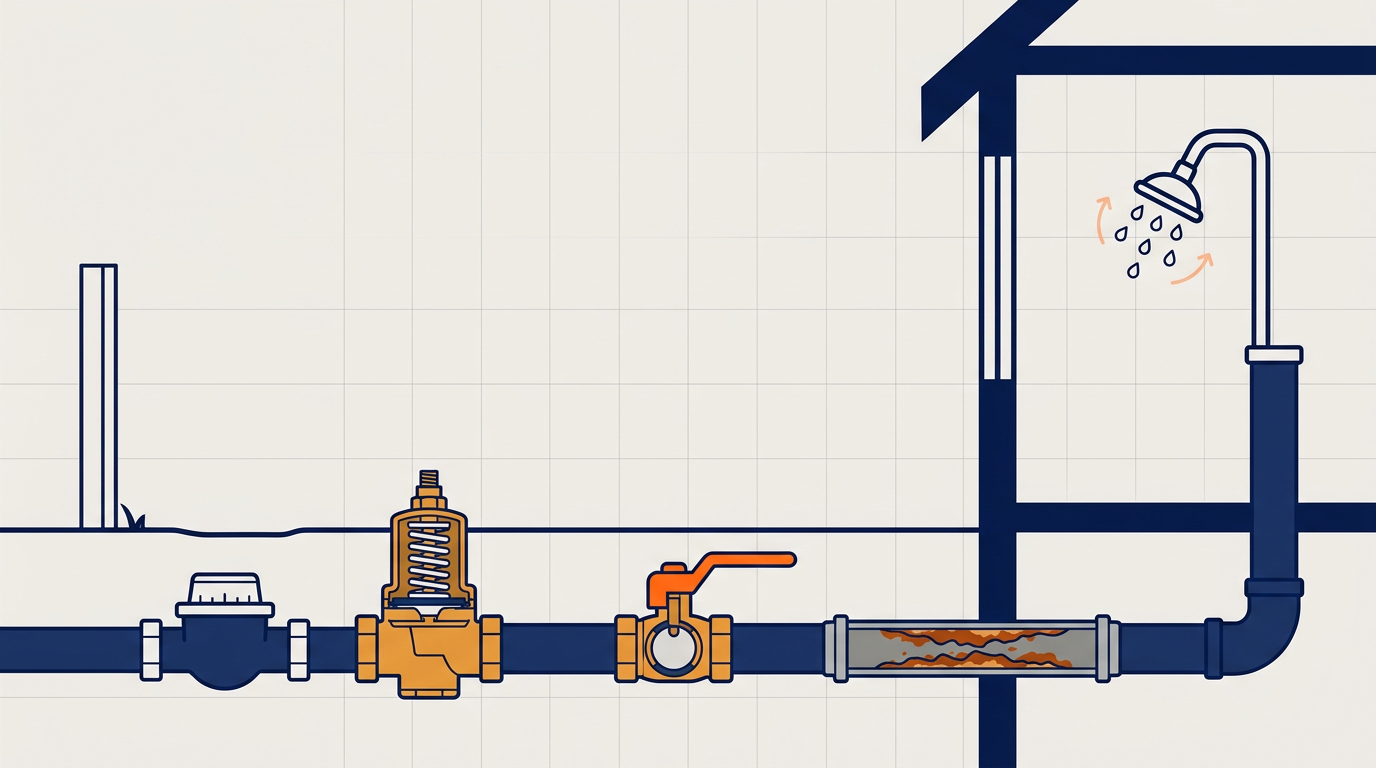
Two households in Marrickville can stand in near identical bathrooms and get completely different showers. One gets a proper drench. The other gets a thin, apologetic trickle that takes four minutes to rinse shampoo out. The plumbing is the same age, the street main is the same main, and the difference sits somewhere in the twenty metres between the meter box at the front fence and the shower rose.
August is when Sydney homeowners finally do something about it. Cold mornings make a weak shower unbearable, the winter bill has just landed with Sydney Water's latest price rise baked into it, and hot water units are working hardest right when the flow is worst. The good news is that low water pressure is one of the few plumbing faults you can diagnose most of the way yourself, with a bucket, a phone timer and a fifteen dollar gauge. This guide walks through the Sydney specific causes, the tests that separate them, 2026 repair costs, and the one scenario where weak pressure is quietly costing you money every single day.
Pressure and Flow Are Not the Same Thing
Almost every low pressure conversation starts with the wrong word. Pressure is the force pushing water along the pipe, measured in kilopascals. Flow is how much water actually arrives, measured in litres per minute. A tap can sit on a perfectly healthy 500 kilopascal supply and still dribble because a corroded pipe or a blocked aerator is choking the volume.
That distinction changes the repair. A pressure problem usually lives at the meter or the street. A flow problem usually lives inside your walls, your fittings or your hot water unit. Testing both takes about ten minutes and stops you paying for the wrong fix.
- Good pressure, poor flow. Blocked aerators, scaled shower roses, corroded galvanised pipe, a clogged filter cartridge or a part closed valve.
- Poor pressure everywhere. A failed pressure limiting valve, a leak on the service line, or a genuine supply issue in your street.
- Poor pressure only when two taps run. Undersized or restricted pipework that cannot feed two fixtures at once.
- Poor pressure only upstairs. Every metre of height costs you roughly 10 kilopascals, so a marginal supply fails on the top floor first.
What Counts as Low Pressure in Sydney
Sydney Water's customer contract sets the minimum it must deliver at the meter, expressed as head of water rather than a shower quality rating. Most Sydney properties receive far more than the minimum, which is why pressure limiting valves are so common here in the first place.
- Above 700 kilopascals. Too high. Fittings wear out early and you are a candidate for banging pipes rather than weak ones.
- 450 to 600 kilopascals. The comfortable band most Sydney homes should sit in after a limiting valve.
- 250 to 400 kilopascals. Usable but noticeably soft, particularly for a two storey home or a rain head shower.
- Below 250 kilopascals. Genuinely low. Something is either failing or restricting.
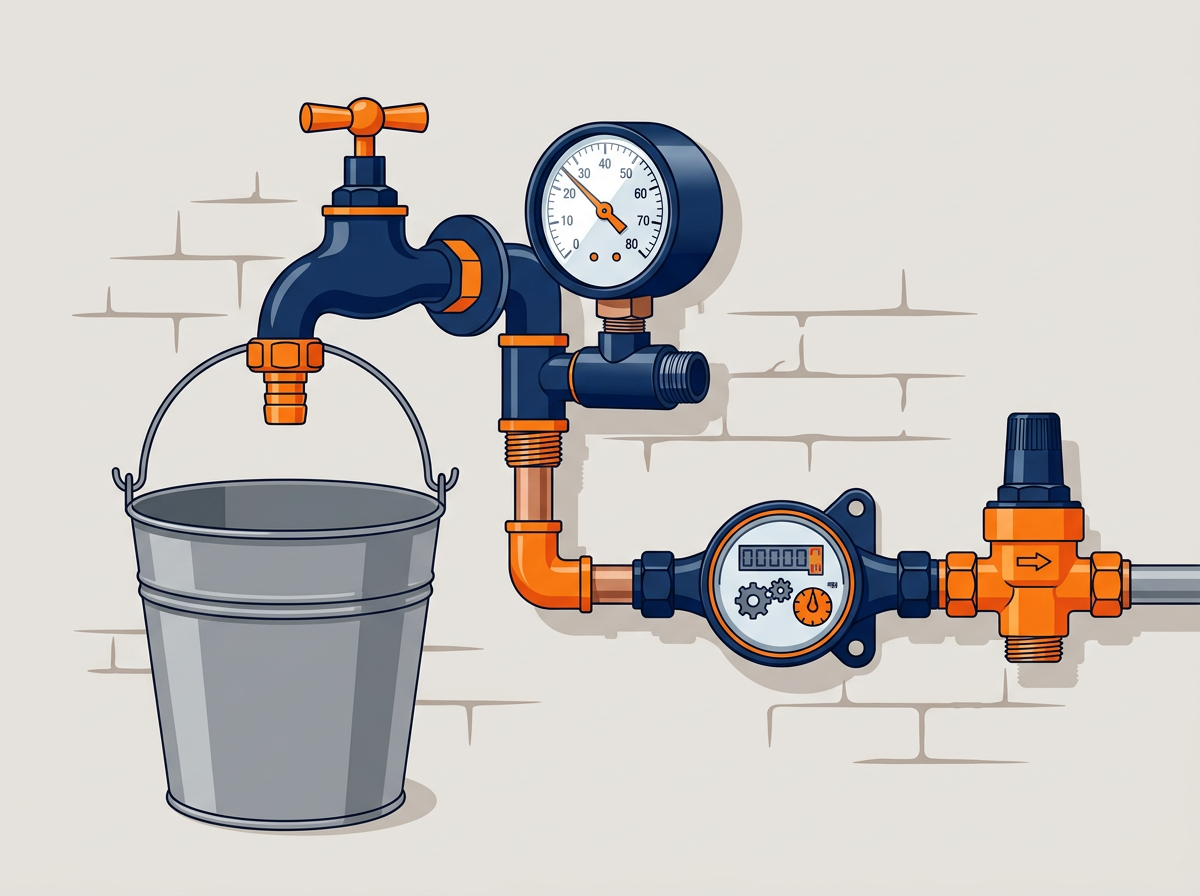
Flow matters just as much. A garden tap near the meter should fill a nine litre bucket in under 30 seconds. Sydney Water publishes a plain guide to testing your water pressure at home that uses the same method, so your numbers and theirs are directly comparable if you end up lodging a report.
The Seven Causes We Actually Find in Sydney Homes
These are ordered by how often they turn out to be the answer on a callout, not by how dramatic they sound. Working down the list in order is the cheapest way to solve it.
- A failed pressure limiting valve. These have a service life of roughly 8 to 12 years. When the internal seat fails they tend to close down rather than open up, and the whole house goes soft overnight.
- Blocked aerators and shower roses. Sydney water is soft, but mains repairs push sediment and old pipe scale into the system. A single kitchen mixer aerator can drop flow by half.
- Corroded galvanised steel pipe. Houses in the inner west, the eastern suburbs and older parts of the north shore still have galvanised service lines. Rust closes the bore from the inside until a 20 millimetre pipe behaves like a 10.
- A partly closed valve. After any plumbing work, an isolating valve or the meter stop tap can be left three quarters shut. It is the cheapest fix on this list and worth checking first.
- A neglected filter cartridge. Undersink and whole house filters need changing every 6 to 12 months. Plenty of the ones we see have been in place for years.
- Hot water side faults. A tempering valve at the end of its life, sediment in an ageing cylinder or an undersized instantaneous unit all show up as hot only weakness.
- A hidden leak on the property service line. Water leaving the pipe underground never reaches the shower, and you pay for every litre of it.
Why the suburb matters more than people expect
Sydney's network spans a huge range of elevations, and the utility actively manages supply through its water pressure management program, which reduces pressure in some zones to cut main breaks and leakage. If your street was recently included, your supply may be genuinely lower than it was five years ago, and that changes the right fix from a repair to a design decision.
- Ridge top suburbs. Homes at the top of a pressure zone in areas like Hornsby, Baulkham Hills and parts of the northern beaches sit at the weak end of their zone.
- Older inner suburbs. Newtown, Balmain, Paddington and Rozelle carry the highest concentration of surviving galvanised service lines.
- Two storey additions. First floor bathrooms added to a single storey cottage frequently run off the original undersized supply.
- Apartments and duplexes. Shared risers, booster pumps and building pressure valves all sit outside your lot.
The Twenty Minute Test You Can Run This Weekend
Take notes. A plumber who arrives already knowing your fill time, gauge reading and meter result will diagnose in half the time, which lands directly on your invoice.
- Fill a nine litre bucket from the garden tap closest to the meter and time it. Write down the seconds.
- Close everything in the house, screw a pressure gauge onto that same tap and record the static reading.
- Repeat the bucket test at the laundry tub, the kitchen and the bathroom basin.
- At the worst fixture, run cold alone and then hot alone. Note which one is weak.
- Unscrew the aerator from the worst tap, rinse it and refit. Retest.
- Read the meter at night with all water off, then again before anyone showers. Any change means a leak.
If the garden tap is strong and everything inside is weak, the problem is yours and it is internal. If the garden tap itself is weak, the fault is at the meter assembly or upstream of it. That single comparison determines who fixes it and who pays.
The Case Nobody Wants: Weak Pressure Plus a Rising Bill
This is the combination worth acting on this month. Sydney Water prices moved again under the IPART determination covering prices for Sydney Water Corporation, so a leak that was tolerable at older usage rates costs meaningfully more today. A slow underground leak does two things at once. It bleeds pressure from every fixture in the house, and it bills you for water that went into the soil.
The overnight meter test is the whole diagnosis. Nothing running, no dishwasher, no irrigation timer, no dripping cistern. If the dial has moved by morning, you have a leak between the meter and the house.
The part most Sydney homeowners miss is that they may not have to wear the cost. Sydney Water's hidden leak allowance can credit a large share of the excess water on a bill when the leak was concealed, was not reasonably detectable, and was repaired promptly by a licensed plumber. The conditions are strict and the paperwork matters, so read our full walkthrough on the Sydney Water bill jump and hidden leak allowance before you lodge anything, and keep the plumber's invoice describing the leak and the date of repair.
Sydney Water's own leak detection guidance covers the DIY checks. For anything under a slab or a driveway, acoustic and thermal equipment finds it without demolition, which is what our leak detection service is built around. Our guide on how to find hidden water leaks goes through the warning signs in more depth.
What Each Fix Costs in Sydney in 2026
These are typical metropolitan Sydney ranges for standard access during business hours. Heritage properties, tight subfloors and concrete driveways push jobs to the upper end.
- Diagnostic visit with gauge and flow testing. 150 to 250 dollars, usually credited against the repair.
- Aerator and shower rose clean or replacement. 120 to 350 dollars depending on the number of fixtures.
- Tap cartridge or jumper valve replacement. 150 to 400 dollars per fixture.
- Pressure limiting valve replacement at the meter. 350 to 650 dollars supplied and fitted.
- Tempering valve replacement. 350 to 600 dollars.
- Non invasive leak detection. 330 to 550 dollars.
- Galvanised service line replacement, meter to house. 2,500 to 6,000 dollars depending on length and surface reinstatement.
- Constant pressure pump for a genuinely low supply. 1,800 to 3,500 dollars installed, including the electrical connection.
Two things reliably reduce the final number. Booking the diagnostic and the repair as one visit avoids a second callout fee, and grouping tapware work into a single appointment spreads the labour across every fixture. Our water pressure services page sets out what a full test includes, and tap repairs and installation covers the fixture side of the work.
When Low Pressure Is Warning You About Something Bigger
Weak flow is sometimes the symptom rather than the fault. These patterns mean the underlying problem is worth chasing properly.
- Discoloured water with the weak flow. Rust flakes from a galvanised line or an ageing storage cylinder. Replacement is coming, so plan for it rather than reacting to a failure.
- Pressure that dropped after a storm. Ground movement can strain an old service line or a joint. Sydney's wet winters do this more often than people realise.
- Damp patches, a warm floor spot or the sound of running water. Classic concealed leak signals that need equipment, not guesswork.
- Hot water that fades then recovers. Sediment shifting inside the cylinder, often the last warning before a failure. Our hot water repairs and installation page covers the repair or replace decision.
- Neighbours reporting the same thing. Report it to Sydney Water first rather than paying for a private diagnosis of a network issue.
Getting It Fixed Properly: What a Good Sydney Plumber Does
A proper low pressure job is measured, not guessed. Insist on the sequence below and you will get a fix rather than a series of part replacements.
- Static pressure reading at the meter with the house isolated.
- Flow rate measured at the boundary tap and at the worst internal fixture.
- Meter check for movement with everything closed.
- Hot and cold tested separately at two or more fixtures.
- Written findings with the numbers, the cause and the options.
- A retest after the repair using the same method, so the improvement is proven.
Verify the licence before work starts. Pressure control, service line replacement and hot water work are licensed plumbing work in New South Wales, and you can check credentials through NSW Fair Trading's guidance for plumbers, drainers and gasfitters. The technical requirements sit in the Plumbing Code of Australia, and Sydney Water sets separate rules for anything near the meter in its plumbing and building requirements.
Fixing pressure before you renovate
The worst time to discover a restricted supply is after a bathroom is tiled. A rain head shower and a wall mounted mixer both assume a healthy supply, and neither performs on 250 kilopascals. Test before the first fix stage, and size the supply to the fixtures rather than to whatever pipe happens to be there. While the walls are open it is also the cheap moment to solve pressure related noise, which we cover in our guide on water hammer and banging pipes in Sydney.
Why Late August Is the Right Time to Sort This Out
Winter is when the fault is easiest to reproduce and hardest to live with. Cold inlet water makes an instantaneous hot water unit throttle flow, so a marginal supply becomes an obvious one. Contracted pipework and heavy morning demand across the street push the network to its daily low right when your household is in the shower.
There is a scheduling reason too. From September the diary fills with spring renovation work, storm damage and hot water replacements, and a one hour pressure diagnostic gets pushed behind emergencies. Booking now generally means a slot within the week.
The financial reason is the strongest one. If a hidden leak is behind your weak shower, every week you wait is another week of paying for water that never reaches a tap, at rates that only move in one direction. Testing costs an afternoon. Ignoring it costs a quarter of a bill.
Frequently Asked Questions
Get Your Pressure Tested Before Spring
Run the bucket test and the overnight meter check this weekend. If the garden tap is strong and the house is weak, or if the meter moved overnight, you have already done the hard part of the diagnosis and you know which conversation to have.
Tradetek Solutions carries out licensed pressure testing, leak detection, valve replacement and hot water repairs across Sydney, the Central Coast and Newcastle, with fixed price quotes before any work starts. Call 0488 822 794 or request a quote online and we will bring the gauge, take the readings and give you the numbers in writing. If you need someone today, our emergency plumbing team is available around the clock.