
What Happens During a CCTV Drain Inspection? (And When You Need One)
By the team at Tradetek Solutions
Updated June 2026
Refreshed with current 2026 Sydney CCTV inspection pricing and links to our newer winter drainage guides: why Sydney drains block in winter, stormwater runoff disputes and burst pipe emergencies.
If you have ever had a blocked drain in a Sydney home, chances are someone has mentioned a "drain camera". For most homeowners that is where the conversation ends. You picture a tiny camera going down a pipe and just hope the plumber knows what they are looking at. The truth is, a CCTV drain inspection is one of the most useful tools we carry on the truck, and once you understand what is actually happening, you stop guessing about your drains forever.
Across Sydney, from older terraces in Newtown to brick-and-tile homes on the Central Coast, drain problems are rarely random. Tree roots from jacarandas and liquidambars, settling clay soils, and ageing earthenware pipes from the 1950s and 60s all leave clues inside the pipe. A camera is the only honest way to see them.
Below is a plain-English walkthrough of what a CCTV drain inspection actually involves, the top problems we find in Sydney pipes, how long the job takes, and what it costs in autumn 2026.
What Is a CCTV Drain Inspection, Exactly?
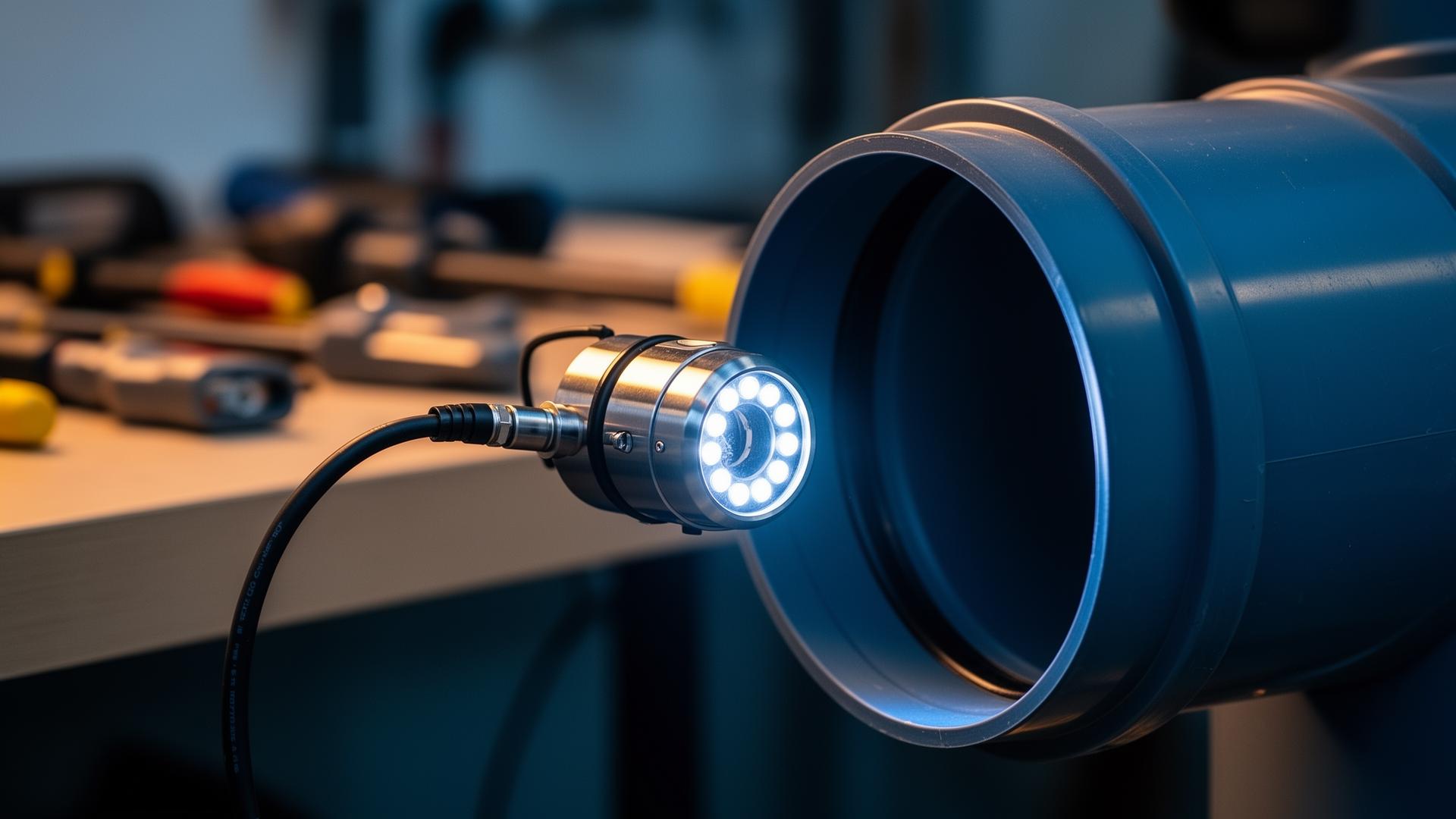
A CCTV drain inspection uses a waterproof, high-resolution camera mounted on the end of a flexible fibreglass push rod. The plumber feeds the camera through the drain while watching a live video feed on a monitor above ground. The cable has a built-in distance counter, so every defect we spot is logged to the exact metre from the access point.
Modern camera heads also carry a small radio transmitter called a sonde. From the surface, we trace the sonde with a locator wand to pinpoint the depth and position of any problem within a few centimetres. That means if a pipe needs to be dug up or relined, we know exactly where to work without trenching half the yard.
For homeowners, the real value is the recording. You get to see your own pipes, not just take a tradesperson's word for it. Every Tradetek CCTV drain inspection finishes with a saved video plus a written report.
Step-by-Step: What Our Plumber Does During a Drain Camera Inspection
Here is the exact process we follow on a typical Sydney job, from the moment we pull up to the kerb.
1. Walk the Property and Find an Access Point
We start by locating the right access for the line in question. That is usually an inspection opening (the small capped pipe near the rear of the house), a gully trap, or sometimes a removed toilet pan. Choosing the correct entry decides whether the inspection takes 45 minutes or two hours.
2. Pre-Clean if the Line Is Blocked
A camera cannot see through standing water, sludge or a solid blockage. If the drain is fully blocked, we clear it first using mechanical or high-pressure water jetting. Once water is flowing again, we send the camera in to find out why it blocked in the first place.
3. Feed the Camera Through the Pipe
The camera is pushed slowly through the drain at walking pace. As it travels, the LED ring lights up the pipe walls and the live feed appears on our monitor. We pause at every joint, junction and change in pipe material to look for cracks, root hairs and offsets.
4. Mark and Locate Every Defect
When something is found, we note the exact distance from the cable counter, then go above ground with the locator wand to mark the spot with paint. This is critical for any future repair, especially with no-dig pipe relining, where the relining sleeve must be cut to the precise length of the damaged section.
5. Record, Report and Quote
The full inspection is recorded. You receive the footage along with a short written report covering pipe material, condition, defects, locations and our recommended next steps. If repairs are needed, we quote them transparently before doing any further work.
Top 5 Things CCTV Finds in Sydney Drains
After thousands of inspections across Sydney and the Central Coast, the same handful of problems keep showing up. Here are the five most common.
1. Tree Root Intrusion
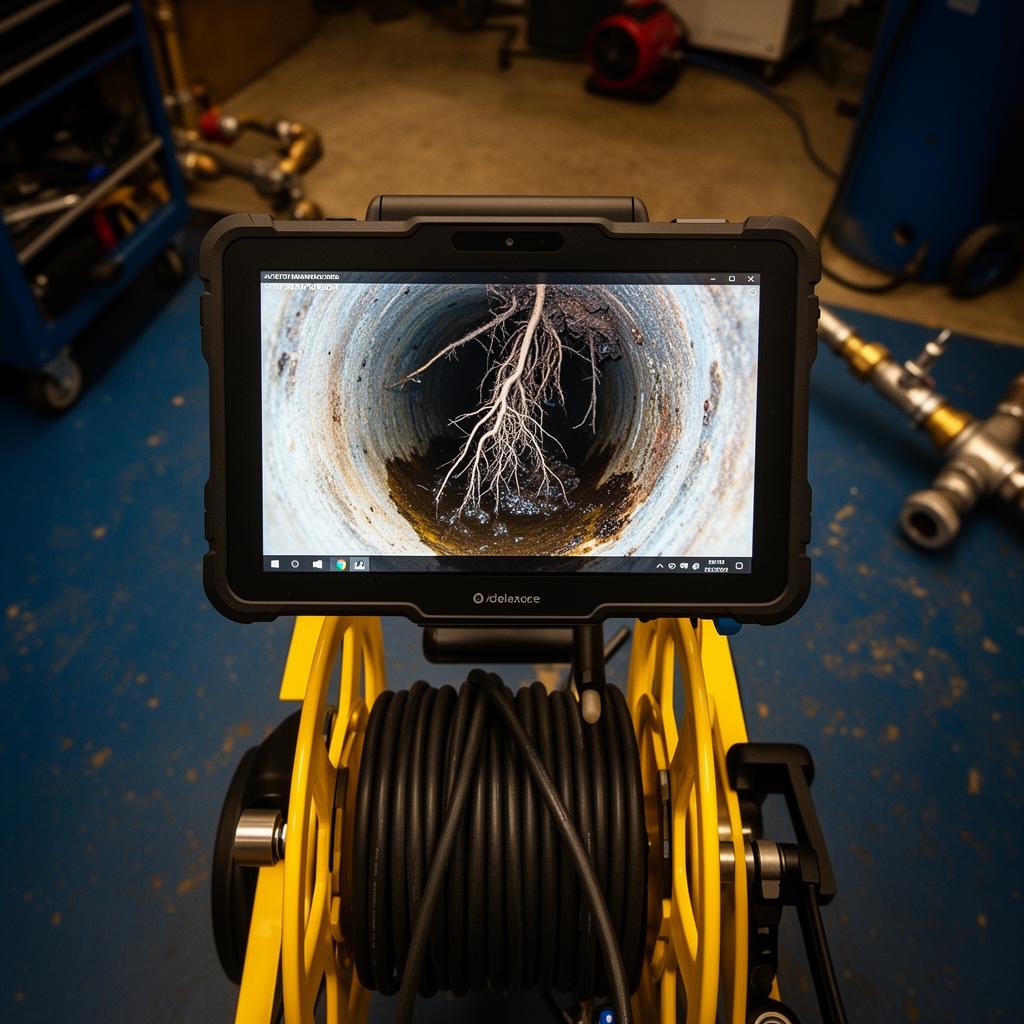
By far the number one finding. Roots from gum trees, jacarandas, camphor laurels and even ornamental hedges find their way through the smallest crack at a pipe joint. Once inside, they act like a net that traps wipes, hair and grease until the line blocks. Roots are often the underlying cause behind a recurring blocked drain that keeps coming back every few months.
2. Cracked, Offset or Collapsed Pipes
Many older Sydney homes still run on earthenware (clay) sewer pipes laid before 1980. Reactive clay soils, vibration from nearby traffic and tree movement all cause these brittle pipes to crack, drop at joints, or partially collapse. A camera sees this clearly where mechanical clearing alone never would.
3. Grease and Fat Build-Up
In kitchens, hardened fat coats the inside of the pipe like cholesterol in an artery. Over time the bore narrows and food scraps catch on the rough surface. We see this constantly in older units and in homes where dishwasher waste shares a line with the kitchen sink.
4. Foreign Objects and Wipes
"Flushable" wipes are not flushable. Neither are nappies, sanitary products, dental floss or kids' toys. The camera regularly finds these wedged at junctions, often at the boundary trap where the house line meets the Sydney Water main.
5. Bellies, Sags and Poor Falls
A "belly" is a low spot in the pipe where water and waste sit instead of draining away. They are usually caused by ground movement under the slab. Without a camera you would never know one existed, but they are a common reason for slow drains and odours that no amount of clearing seems to fix. Often spotted alongside hidden water leaks in the same property.
CCTV Drain Inspection Cost in Sydney (2026)
- Standard residential inspection (one line, with report)$300 – $450
- Full sewer survey with above-ground locating$450 – $650
- Pre-purchase drain inspection (all accessible lines)$550 – $750
- Camera fee waived when booked with a drain cleanOften $0
Indicative ranges only. Tradetek quotes the full price upfront before any work begins — no call-out surprises.
When Do You Actually Need a CCTV Drain Inspection?
Not every blocked drain needs a camera. But there are five clear situations where it pays for itself many times over.
- Recurring blockages — If the same drain blocks more than twice in 12 months, mechanical clearing is treating a symptom, not a cause. A camera tells you why.
- Before buying a property — Standard pre-purchase building inspections do not check below the ground. A drain camera can uncover collapsed sewer lines that cost $8,000 to $20,000 to repair.
- Sewage smells inside or outside the home — Persistent odours often mean a cracked pipe leaking gases through the soil, even if waste is still flowing.
- Slow drains across multiple fixtures — When the toilet, shower and laundry are all sluggish, the issue is downstream in the main line. A camera locates it precisely.
- Before a renovation or extension — Knowing where pipes run, their condition and any unauthorised connections protects you from costly mid-build surprises. We commonly inspect these alongside leak detection work.
For early prevention, our guide on preventing blocked drains covers the simple habits that keep your pipes healthy between inspections.
Why It Matters That Your Plumber Is Licensed
In NSW, all drain work must be performed by a plumber licensed by NSW Fair Trading. That includes the inspection, the report and any subsequent repairs. An unlicensed operator might run a camera, but they cannot legally quote, repair or certify the work afterwards, and any damage they cause will not be covered by Home Building Compensation insurance.
Sydney Water also has clear standards on drain condition where pipes connect to the public sewer. If a CCTV inspection identifies a defect in your boundary trap or junction, only a licensed plumber can lodge the application and carry out the rectification. You can read more on the Sydney Water plumbing, building and developing support page.
What Happens After the Inspection
The inspection itself is only half the value. The other half is what you do with the footage. Depending on what we find, the next step is usually one of three options.
- No action needed — Many inspections come back clean. You get peace of mind and a baseline video to compare against in future years.
- Maintenance clean — For grease, sediment or minor root hairs, a high-pressure jet clean every 12 to 24 months is enough to keep the line healthy.
- Pipe repair or relining — For cracks, offsets, partial collapses or significant root damage, no-dig pipe relining is usually the most cost-effective fix. It avoids excavation, paving removal and landscaping repair, and the relined section carries a 50-year structural design life.
In genuine emergencies — raw sewage backing up into the house, for example — our 24/7 emergency plumbing team can attend, clear the line and run the camera in the same visit.
Frequently Asked Questions
See Your Drains for Yourself
A CCTV drain inspection takes the guesswork out of plumbing. Instead of paying again and again to clear the same blockage, you see what is really going on inside your pipes, and you decide what to do next based on real evidence. With autumn rains arriving across Sydney and the Central Coast, now is the right time to know exactly where you stand.
At Tradetek Solutions we run fully recorded inspections with written reports, transparent pricing and licensed plumbers on every job. No upsells, no surprises.
Book a Transparent CCTV Drain Inspection
Same-day appointments across Sydney, the Central Coast and Newcastle. You get the footage, the report and an upfront quote.